

Start With Where The Water Shows Up
The location of the stain matters.
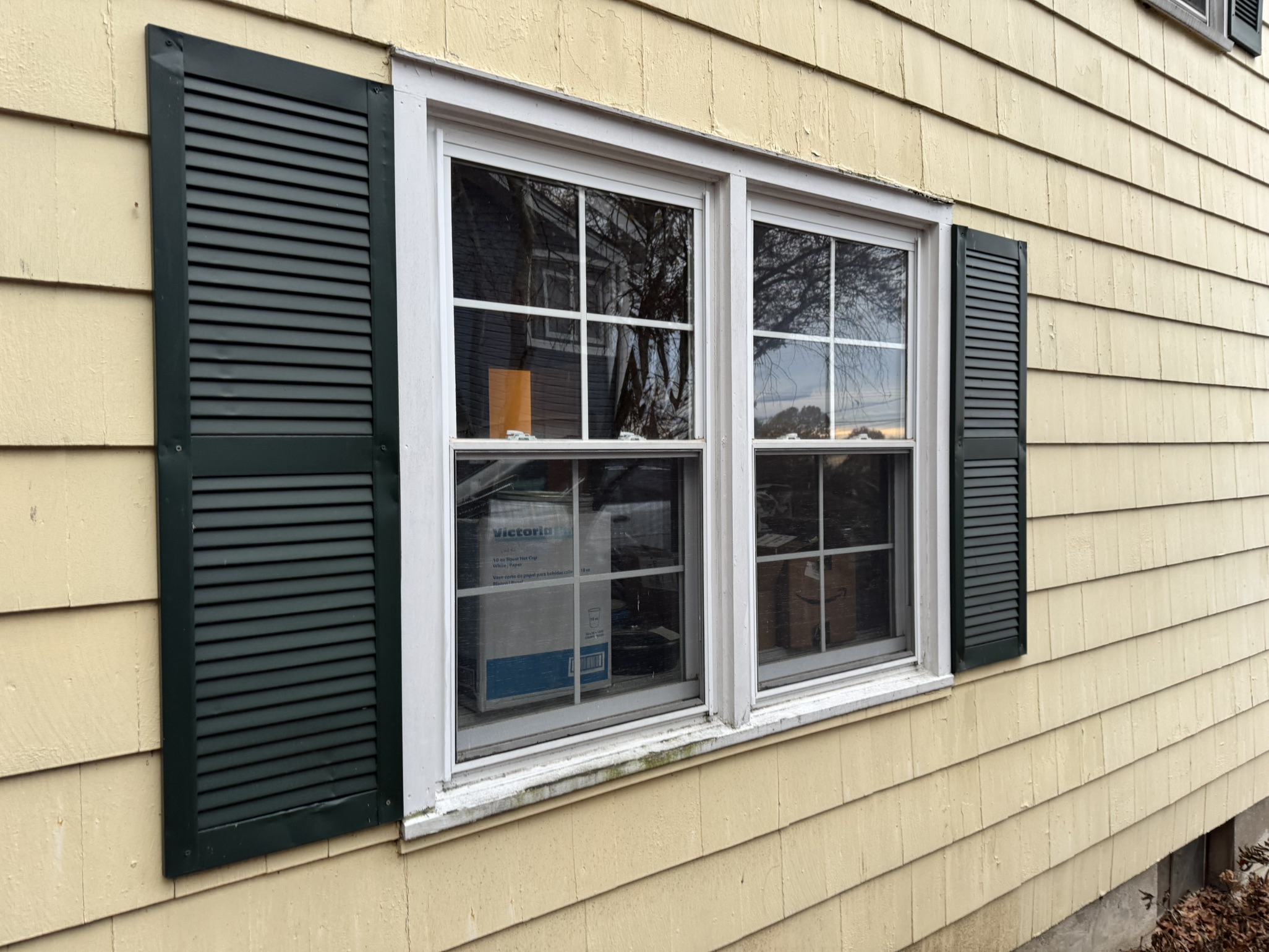
Water at the top of the window can point to flashing, trim, siding, or a leak from above.
Water along the sides can point to gaps around the frame, failed caulk, poor flashing, or siding transitions that are letting water behind the wall.
Water at the sill can be a window issue, but it can also be water that entered higher and finally showed itself at the lowest point.
Interior bubbling paint, soft drywall, musty smells, and dark staining are all clues.
They are not the final answer.
They are the starting point.
Why Windows Get Blamed First
Windows are obvious.
They are the opening.
They are where homeowners see water.
But the window is only one part of the system.
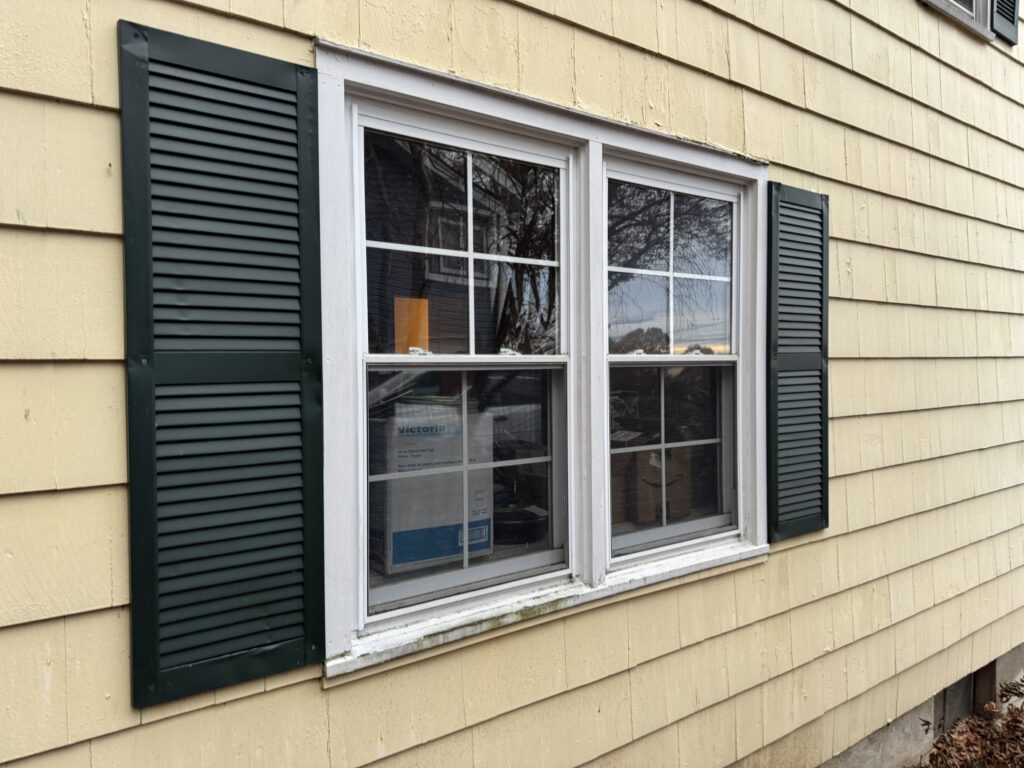
The surrounding trim, flashing, siding, house wrap, and drainage plane all have to work together.
If any part of that system is wrong, water can find a path in.
That is especially common when siding has been replaced but the window details were not handled correctly.
It can also happen when old trim is patched over instead of rebuilt properly.
A good window should not be asked to solve a wall problem by itself.
The Outside Tells A Bigger Story
Before assuming the window has failed, look outside.
Check the caulk lines around the trim.
Look for cracked, missing, or separated sealant.
Look for soft or swollen trim, staining under the corners, gaps where siding meets trim, or panels that have pulled loose above the window.
Then look higher.
Is there a gutter overflowing above the area?
Is there a roof return dumping water against the wall?
Is a nearby dormer, valley, or flashing detail directing water toward that window?
Water likes gravity.
It also likes shortcuts.
The source may be several feet above the stain.
Common Causes Of Window Area Leaks
Most window-area leaks come from a handful of exterior issues.
Failed or missing flashing is one of the big ones.
Cracked caulk is another.
Loose siding, poor trim details, missing kickout flashing, clogged gutters, and improperly sealed penetrations can all send water into the wall system.
Older windows can leak too.
Weatherstripping wears out.
Frames move.
Seal failures happen.
But replacing the window without checking the surrounding exterior is a gamble.
If the wall is the problem, the new window may still leak.
That is the kind of repair nobody wants to pay for twice.
After Heavy Rain, Pay Attention To Patterns
One leak after a wind-driven storm is different from a leak every time it rains.
Water that appears only during storms with heavy wind may be entering through a specific exposure or weak exterior detail.
Water that appears after light rain may mean the opening is more direct.
Water that appears hours later may be traveling through the wall before showing up inside.
Take photos.
Write down where the water appeared and what the weather was doing.
That information helps during an inspection.
It gives the contractor a pattern instead of a mystery.
Do Not Just Caulk Everything
Caulk has a job.
It is not a leak diagnosis.
Running a new bead of caulk around every joint may stop water for a little while.
Or it may trap moisture where it should be able to drain.
That can make the real problem worse.
Exterior systems need both protection and drainage.
The goal is not to seal the house into a plastic bag.
The goal is to guide water down and out.
That is why flashing details matter so much.
When You Need A Professional Inspection
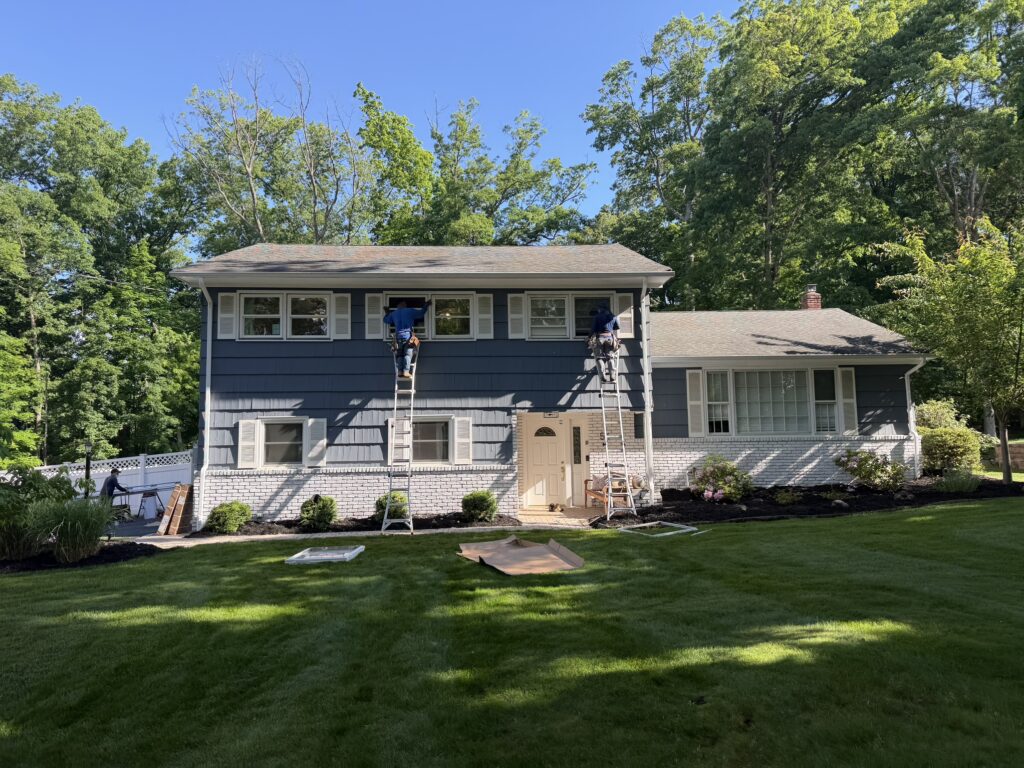
Call for an inspection if you see repeated leaks, staining around multiple windows, soft trim, visible gaps, swollen siding, peeling interior paint, or musty smells near exterior walls.
Also call if the leak is showing up near electrical outlets, ceiling lines, or structural framing.
That is not a wait-and-see situation.
A proper inspection should trace the likely water path.
It should look at the window, the siding, the flashing, the trim, the gutters, and the roofline above the opening.
That is how you avoid replacing the wrong thing.
Get The Leak Diagnosed Before It Spreads
Window leaks do not fix themselves.
They usually get quieter for a while, then come back when the next storm hits from the right direction.
By then, the damage behind the wall may already be worse.
If you see water near a window, Blue Nail Exteriors can inspect the full exterior system and help you understand where the leak is really coming from.
It may be the window.
It may be the siding.
It may be the flashing.
The important thing is getting a clear answer before a small stain turns into a bigger repair. Call or fill out our form for your inspection today.
Quick Answers