
 973-937-8876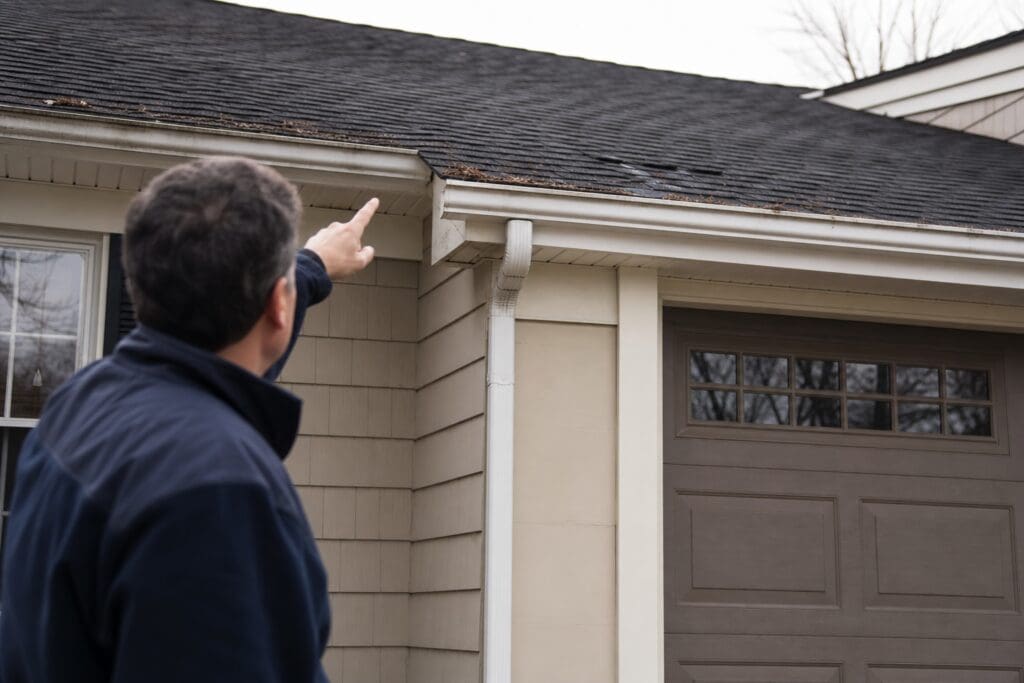
A Leak is Rarely Just About the Stain on the Ceiling
When a roof leaks once, the question is usually straightforward: what failed, and how fast can it be fixed? When it leaks again, or in a different spot, the conversation changes. At that point, North Jersey homeowners are not just dealing with a repair. They are trying to figure out whether the roof still has useful life left or whether the leak is a warning that the system is breaking down.
That distinction matters because repeated leaks can waste money in two directions. Some homeowners replace too early when a targeted repair would have handled the problem. Others keep patching an aging roof until they have paid for multiple service calls, interior damage, and avoidable stress, only to replace it anyway.
Why This Decision Gets Harder After the Second or Third Leak
A roof leak is not always located directly below the point where water entered. Water can travel along decking, underlayment, rafters, insulation, and flashing before it shows itself indoors. That is one reason recurring leaks can feel random even when there is a pattern underneath.
In greater Northern New Jersey, that pattern is often shaped by weather. Wind-driven rain, freeze-thaw cycles, snow buildup, ice dams, and storm damage can expose weak areas that looked manageable during milder conditions. A repair that worked for one season may not hold up if the roof has several aging components failing at once.
The First Lens: Roof Age Still Matters
Age is not the only factor, but it is a real one. If a roof is relatively young and the leak traces back to one flashing detail, one pipe boot, or a limited section damaged by a storm, a repair often makes sense. If the roof is nearing the end of its expected service life, repeated leaks usually deserve a bigger conversation.
That does not mean every older roof must be replaced on the spot. It means each new leak should be judged in context. A 5-year-old roof with one failed detail is different from a 22-year-old roof with prior repairs, worn shingles, and signs of moisture showing up in more than one area.
The Second Lens: Look at the Repair History, Not Just the Latest Problem
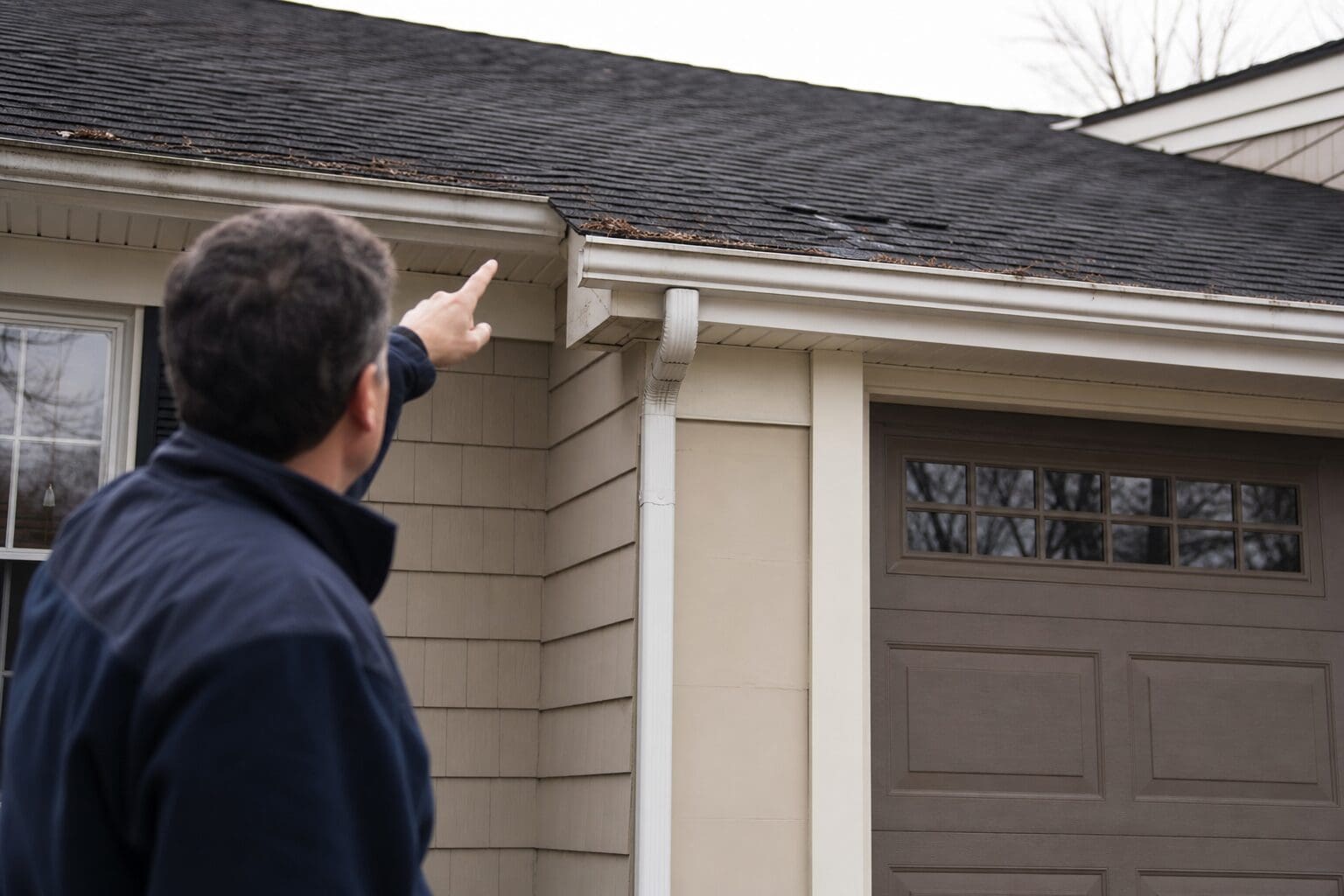
Homeowners often focus on the newest leak because that is the immediate frustration. The better question is broader: how many times has this roof needed attention, and are those issues connected? A roof that has needed repeated patchwork over a short period may be telling you that the overall assembly is losing reliability.
It helps to review a few basics:
• How many leak repairs have been done in the last few years? • Were the leaks in the same area or different parts of the roof? • Did any prior repair solve the issue long term, or did the problem return after the next heavy storm? • Have gutters, ventilation issues, or siding transitions contributed to the moisture problem?
If the repair history shows isolated events with a clear cause, repair can still be the smart move. If it shows a pattern of chasing symptoms, replacement becomes easier to justify.
The Third Lens: Hidden Water Intrusion Changes the Math
The visible drip is only part of the issue. Repeated leaks raise the odds that water has moved into the roof deck, insulation, attic, wall cavities, or trim before anyone noticed. That kind of hidden intrusion can lead to rot, mold concerns, reduced insulation performance, and interior finish damage that keeps getting worse quietly.
This is where a homeowner should slow down and look past the cheapest short-term answer. If the roof surface can be patched but the surrounding materials are already compromised, a small repair may only postpone a larger problem. Good decision-making here depends on a thorough inspection, not wishful thinking.
A Practical Framework for Deciding Repair Versus Replacement
A useful way to think about it is simple: repair makes sense when the problem is limited, identifiable, and the rest of the roof is still performing well. Replacement deserves serious consideration when the leak is part of a broader pattern, the roof is aging out, or the surrounding system shows signs of decline.
In practical terms, a repair often makes sense when:
• The roof still has solid remaining life • The leak source is clear and contained • Shingles, flashing, ventilation, and drainage are otherwise in good shape • There is little evidence of widespread moisture damage
A replacement conversation usually makes more sense when:
• Leaks have happened more than once and in different areas • The roof is older and showing wear beyond one isolated defect • Prior repairs have not held up • Decking, attic conditions, or interior finishes suggest hidden water intrusion • The homeowner wants to stop budgeting for uncertainty every storm season
Do Not Ignore the Parts Around the Roof
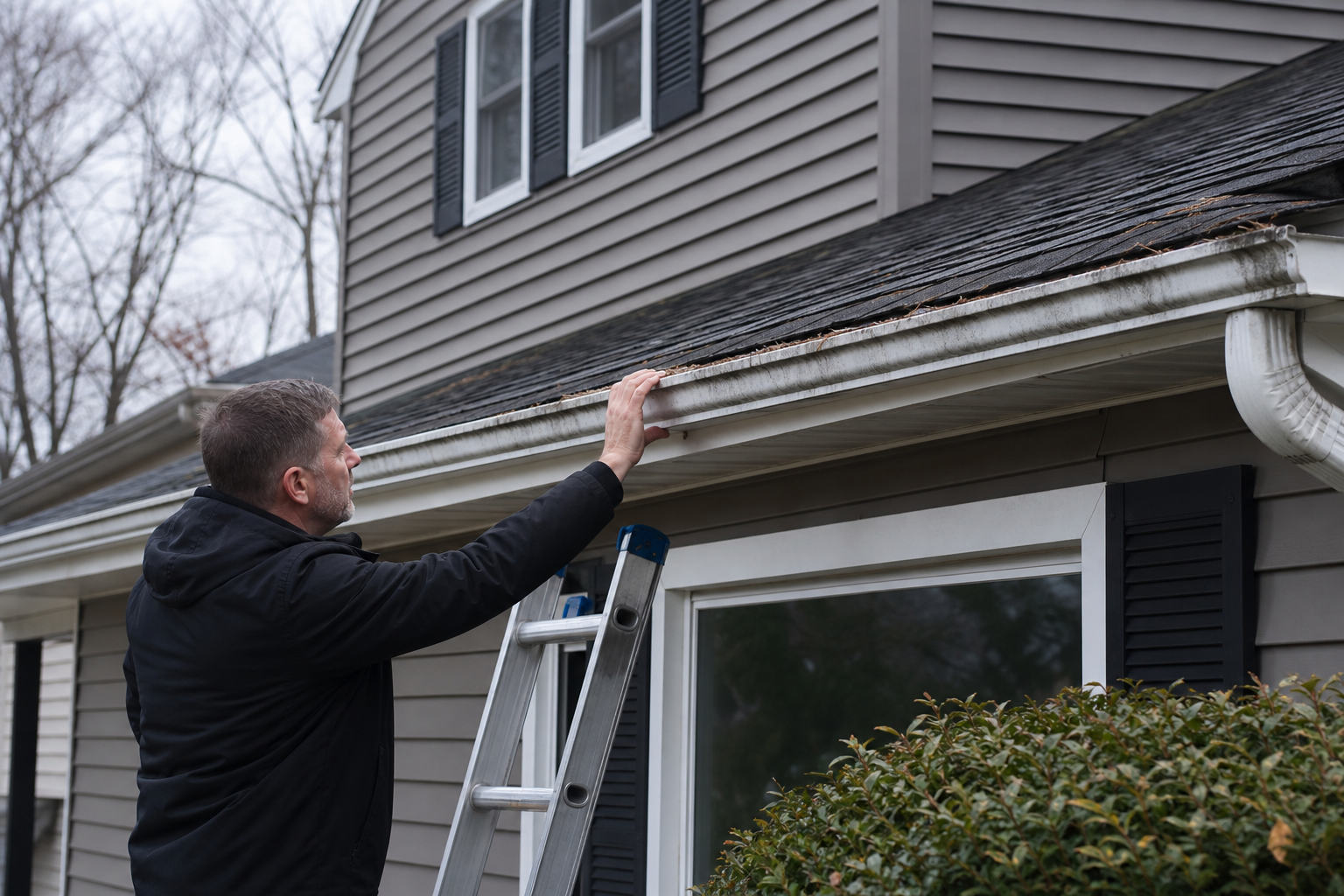
In many North Jersey homes, the leak decision is influenced by more than shingles alone. Gutters that overflow, poor attic ventilation, failing pipe boots, wall flashing, chimney flashing, and siding transitions can all contribute to recurring moisture issues. If those pieces are not assessed together, homeowners can end up paying for a roof repair that does not fully address the cause.
That is why the best inspection is not just about spotting the active drip. It is about understanding how water is moving through the entire exterior system and whether the current roof can still do its job reliably.
The Smart Goal is Clarity, Not Pressure
Most homeowners do not need hype. They need a clean read on condition, risk, and next steps. If a repair is enough, that should be said plainly. If the pattern points toward replacement, that should be explained with evidence, not urgency tactics.
Repeated roof leaks are frustrating, but they can also be useful information. They tell you to stop treating each incident as a one-off and start evaluating the roof as a whole system. That shift usually leads to a better decision and fewer expensive surprises later.
Need help with roofing, storm damage, or exterior repairs in Northern New Jersey? Talk with Blue Nail Exteriors.