973-937-8876
2 minute read
After the Nor’easter: The Roof Problems Homeowners Notice Too Late
Understanding Post-Nor’easter Roof Issues Nor’easters bring intense wind and rain that can…
Blue Nail Roofing and Siding provides roof repair, maintenance, and replacement for homeowners and property owners throughout Garfield, New Jersey. We evaluate the entire roof system along with the compact lot, neighboring buildings, drainage, and access so the recommended work fits the property rather than a generic template.

Outstanding GAF Golden Pledge Warranty

Flexible Financing

Wide Range of Top-Notch Services
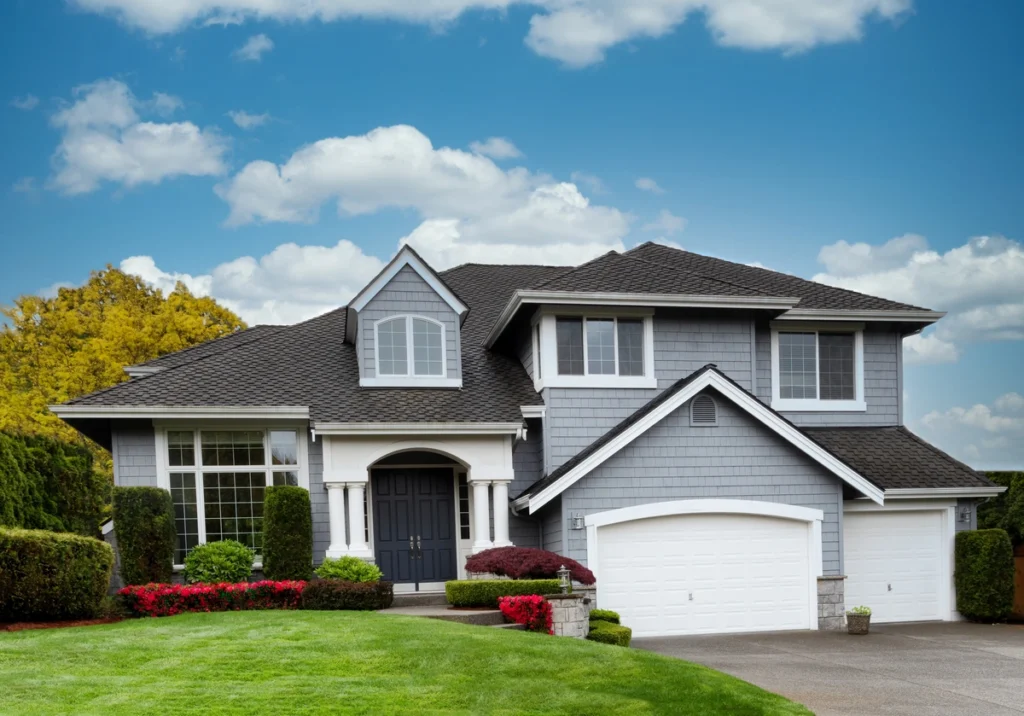
Garfield is a fully developed, compact city with homes and buildings close to streets, driveways, rail lines, commercial corridors, and neighboring properties. Residential areas around Passaic Street, River Drive, Midland Avenue, Outwater Lane, and connecting local streets include older one- and two-family homes, multifamily properties, postwar houses, and newer infill. These buildings often require careful staging and protection.
Many Garfield homes have been expanded or converted over time. A simple front roof may connect to a porch, rear addition, enclosed stair, attached garage, or low-slope extension. Multiple chimneys and vent stacks are common on multifamily properties, and roof planes may not share the same age, decking, or material.
The Passaic and Saddle River setting makes drainage and exact floodplain verification important for some properties. Not every Garfield address is affected, but gutters, downspouts, low spots, and site discharge should be reviewed. On a narrow lot, water must be directed without saturating the foundation, driveway edge, or adjoining property.
Access is frequently as important as roof pitch. Crews may need to plan around street parking, overhead utilities, narrow side yards, shared driveways, fences, small rear yards, air-conditioning equipment, and occupied units. A complete proposal should describe material delivery, debris containment, daily cleanup, and how the home will remain protected overnight.
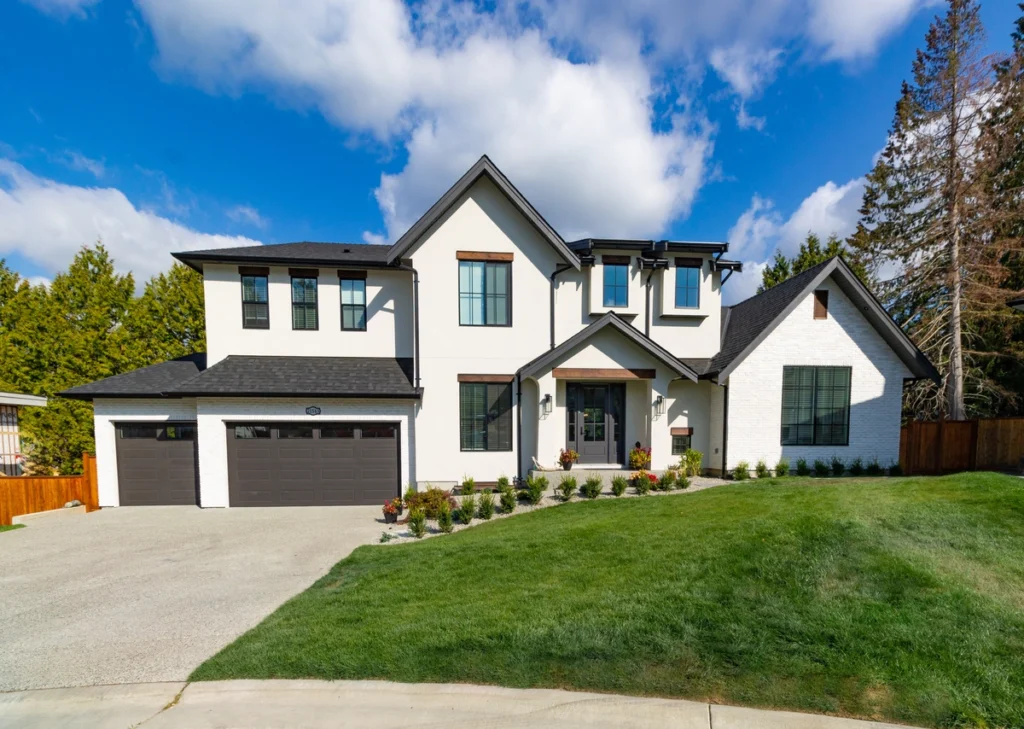
Common Garfield Home Styles
Garfield's older and denser housing stock includes several roof forms that demand different flashing, ventilation, drainage, and access strategies.
Broad main roofs, porches, rear stairs, chimneys, and multiple plumbing vents can concentrate detail work on a relatively small footprint.
Watch for: porch tie-ins, vent stacks, chimney flashing, plank decks, shared access, gutter capacity, and coordination with both units.
Traditional two-story homes may have simple roof forms, but dormers, masonry, and additions expose workmanship at every intersection.
Watch for: step flashing, chimney saddles, dormers, ridge and intake ventilation, roof-to-wall connections, and prior alterations.
Low attic spaces and dormered upper floors make airflow, eave protection, and short wall intersections especially important.
Watch for: dormer cheeks, knee-wall ventilation, blocked soffits, ice-prone edges, low rear additions, porch roofs, and small valleys.
Postwar homes often use long roof planes, attached garages, and several elevations that move large volumes of water to the edges.
Watch for: garage transitions, long gutters, separate attic zones, low-slope sections, broad wind exposure, and downspout placement.
Converted properties can have added kitchens, bathrooms, exterior stairs, utility penetrations, and roof sections built in different periods.
Watch for: ownership and access, vent density, patch history, mixed decking, fire separations, resident notices, and shared drainage.
Low-slope buildings may use membranes, parapets, scuppers, drains, coping, or rooftop equipment instead of conventional eaves and gutters.
Watch for: ponding, seams, wall flashing, edge metal, masonry, wet insulation, drain capacity, and safe access over occupied spaces.
Roof replacement in Garfield should begin with a measured roof map and access plan. Every porch, addition, garage, flat section, chimney, wall intersection, drain, and gutter should be included. The contractor should also identify adjoining roofs and property lines so the new system can be terminated and flashed without relying on another owner's roof.
Tear-off can reveal plank decking, patched plywood, several shingle layers, abandoned penetrations, deteriorated fascia, or low-slope materials hidden beneath coatings. The contract should explain deck repair, flashing removal, masonry coordination, and how unknown conditions will be photographed and approved before additional work proceeds.
Dense lots require disciplined logistics. Delivery locations, parking, sidewalk and driveway protection, chute or tarp placement, neighboring windows and siding, landscaping, utility lines, and daily magnetic cleanup should be addressed in advance. On occupied multifamily homes, entrances and emergency access must remain usable.
Blue Nail can help compare architectural shingles, metal details, composite materials, and low-slope membrane systems. The right product must fit the measured pitch, drainage, exposure, roof deck, building use, maintenance expectations, and surrounding roof sections.
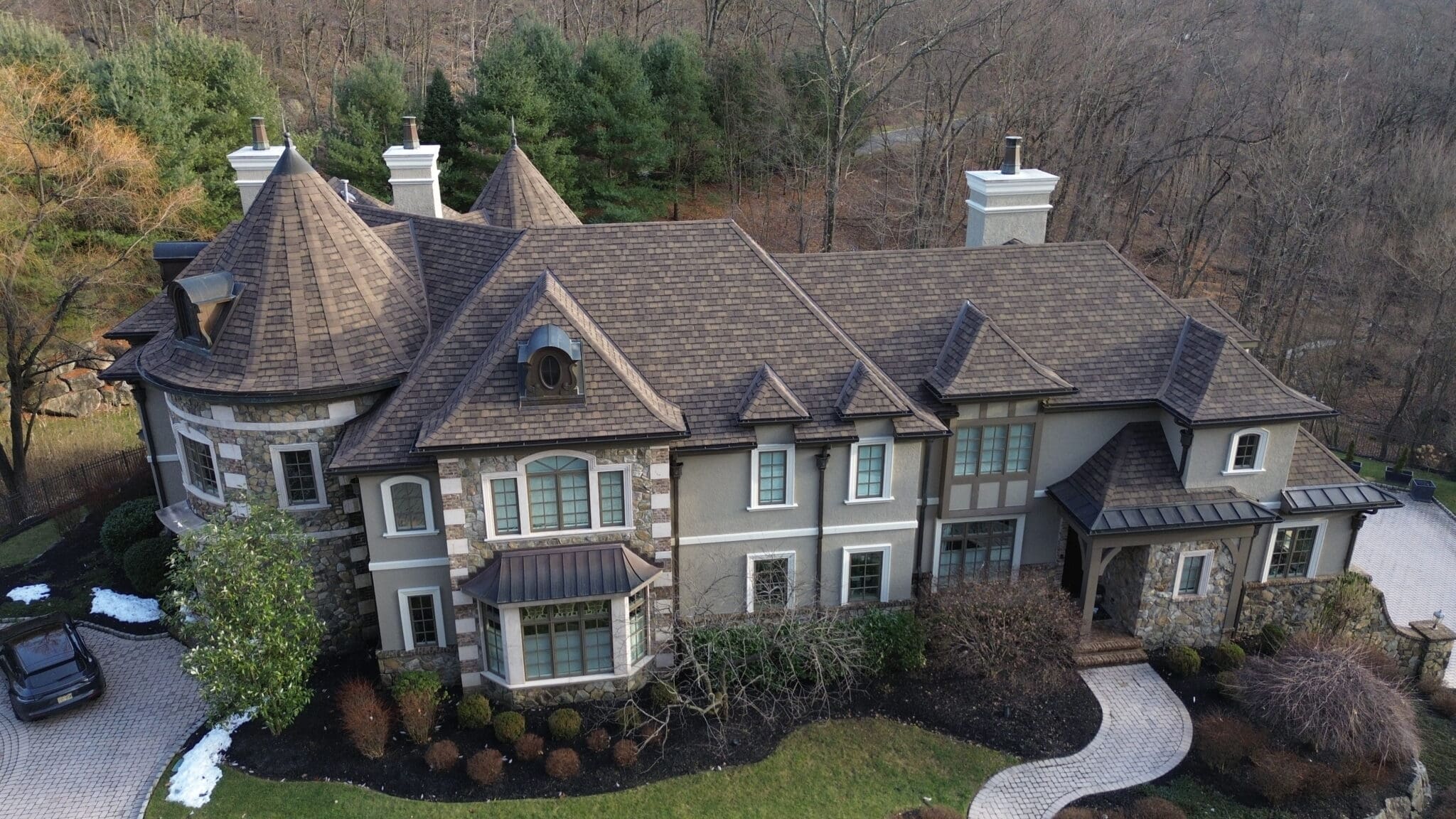
Roof repair in Garfield frequently involves chimneys, sidewalls, porch connections, vent stacks, and transitions between steep and low-slope roofing. Interior water can travel along rafters or decking before becoming visible, so a stain directly below a roof does not always identify the entry point.
On multifamily properties, a leak may follow plumbing chases, party walls, or shared framing and appear in a different unit. The inspection should compare interior evidence with roof penetrations, patch history, weather direction, and drainage. Coordinated access to more than one unit may be necessary for a reliable diagnosis.
Flat-roof repairs should be matched to the existing membrane and assembly. Open seams, punctures, failed termination, cracked coping, ponding, and wet insulation require different approaches. Coating the entire surface without testing moisture or correcting drainage can trap water in the roof.
Repair makes sense when the defect is limited and surrounding materials remain serviceable. Replacement becomes more likely when repairs are layered over one another, several roof sections are near the end of life, water has damaged the deck, or the existing configuration cannot drain properly.
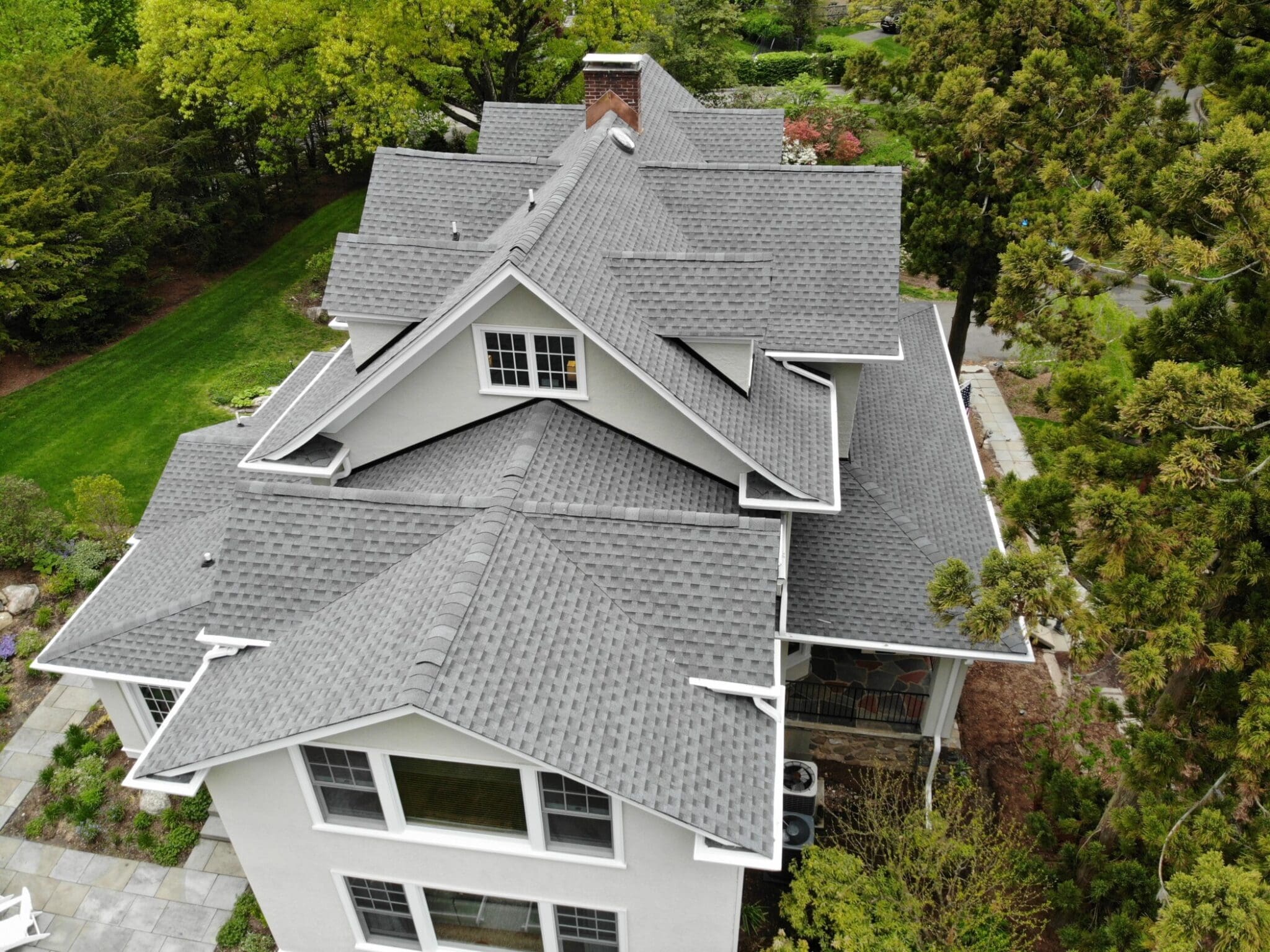
Whether your New Jersey home is your place to share meals with your family, cheer on your favorite team, or catch up with your friends, our local team is committed to making your home everything you’ve ever dreamed of.
Permit requirements depend on the exact scope and current municipal procedures. Deck replacement, structural repair, a roof configuration change, or work on low-slope and multifamily buildings may involve additional review.
The contractor and property owner should confirm construction, zoning, inspection, street, and dumpster requirements with Garfield before work begins. The permit responsibility should be stated in the proposal.
No. Floodplain and drainage conditions are property-specific. Some addresses near the Passaic or Saddle River may have added requirements or access concerns, while others are outside regulated areas.
Regardless of mapping, the roof should discharge water safely. Downspouts should not empty where water can return to the foundation, freeze on walks, or flow directly onto a neighboring lot.
The contractor may use smaller deliveries, controlled tear-off areas, chutes, tarps, ground protection, frequent debris removal, and scheduled parking restrictions. Neighboring siding, windows, vehicles, and air-conditioning equipment need protection.
The plan should identify where materials and debris will be staged and how entrances remain open. Tight access adds coordination, but it should not reduce deck inspection, flashing quality, or cleanup standards.
The scope should list every roof plane, porch, addition, garage, vent, chimney, gutter, and low-slope section. It should also identify the legal owner, occupants, access points, parking, and any shared or adjoining roof boundaries.
Unit-priced decking, resident notices, daily weather protection, cleanup, warranty ownership, and responsibility for interior access should be clear before work starts.
Cost depends on roof size, height, pitch, materials, layers, deck condition, penetrations, low-slope sections, access, parking, neighboring-property protection, permits, gutters, and disposal. Compact urban staging can add labor even on a modest roof.
Compare proposals by included scope rather than only total price. A lower estimate may exclude porches, rear roofs, decking, masonry flashing, ventilation, or the low-slope section most likely to leak.
A limited repair may be appropriate for a failed pipe boot, isolated flashing defect, small wind-damaged area, puncture, or clogged drain when the rest of the roof remains sound. Material must be flexible enough for a durable tie-in.
Replacement may be more practical when multiple layers, brittle shingles, recurring leaks, soft decking, extensive patching, or mixed aging roof sections make the repair unpredictable.





Had our windows replaced by Blue Nail and they did an incredible job! EJ, Dom, Miguel, and the rest of the team were incredibly efficient while still being meticulous with every detail. They cleaned up every last piece of debris before they left, and the entire project went so much faster than I anticipated. Highly recommend!

Blue Nail Exteriors was outstanding to work with for installation of our new roof and gutters! They were timely and very friendly throughout the entire process. We love how our new roof and gutters look! I highly recommend reaching out to them and I’ve already told anyone I’ve ran into how great they are! My wife and I know in the future we will be contacting them again for windows and siding at some point!

Very Flexible and move fast once they are allowed to work. Painting took longer than expected (weather) and they were patient and professional. The price for our service was almost a $700 dollars less than another popular gutter only business.

Excellent. The team worked hard, got the job done in 2 days and was very professional in all aspects. The team coordinator (Kevin) was outstanding and incredibly knowledgeable.

Blue Nail is responsive, professional and a pleasure to deal with.

High recommendations 100%! This team was available, on time, cared, and helped prioritize our roofing before my birth. The crew were all hard working and no time wasted. Our roof looks beautiful on our first home. So very please and thankful this company came to our recommendation. You won't be disappointed!

Called about water pooling at the corner of our house near the gutter. Dan came by within 30 minutes to check it out. Turned out the gutters were just clogged. He went ahead and checked all the gutters around the house while he was here and got it sorted. Friendly, responsive, and genuinely helpful. Thank you so much! Blue Nail goes above and beyond for their customers.

They were fantastic! Managed to squeeze in a roof replacement job before our due date (birth) despite that I gave a very short notice, and they did a great job, cleaned up well, and to a good price! It was great! Thank you! My highest recommendations.

Blue Nail resided our home using Hardie material. Their price was competitive, and the quality of work was a 6 out of 5 stars! John Hogan and his team are easy to work with as was the excellent crew doing the work on our house. They were meticulous! I would recommend Blue Nail without hesitation or reservation!