973-937-8876
2 minute read
After the Nor’easter: The Roof Problems Homeowners Notice Too Late
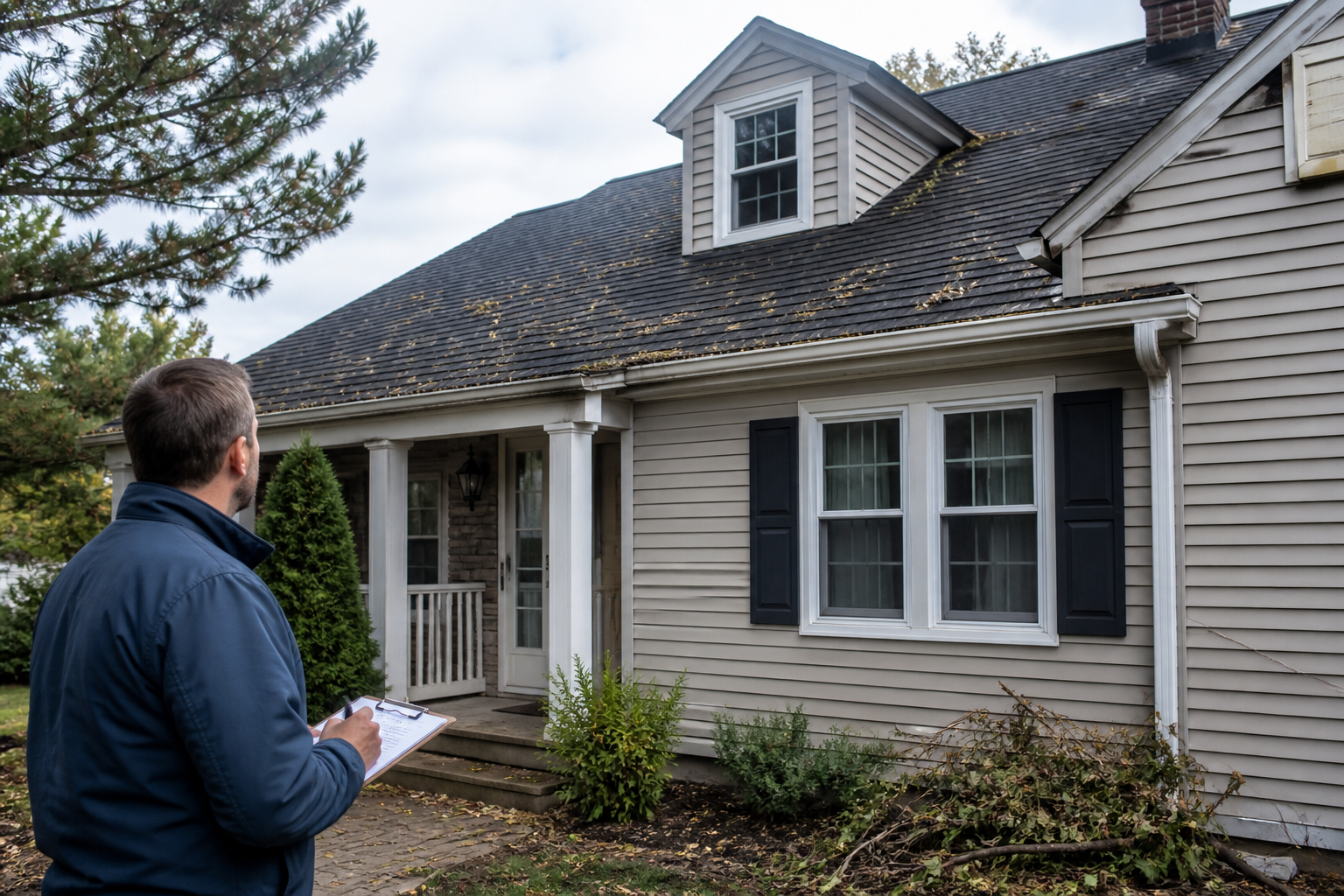
Understanding Post-Nor’easter Roof Issues Nor’easters bring intense wind and rain that can…
If you need a trusted roofing company in Linden, New Jersey, the experienced team at Blue Nail Roofing and Siding can help. We can serve all of your roofing needs, from minor maintenance and repairs to full roof installation and replacement.

Outstanding GAF Golden Pledge Warranty

Flexible Financing

Wide Range of Top-Notch Services
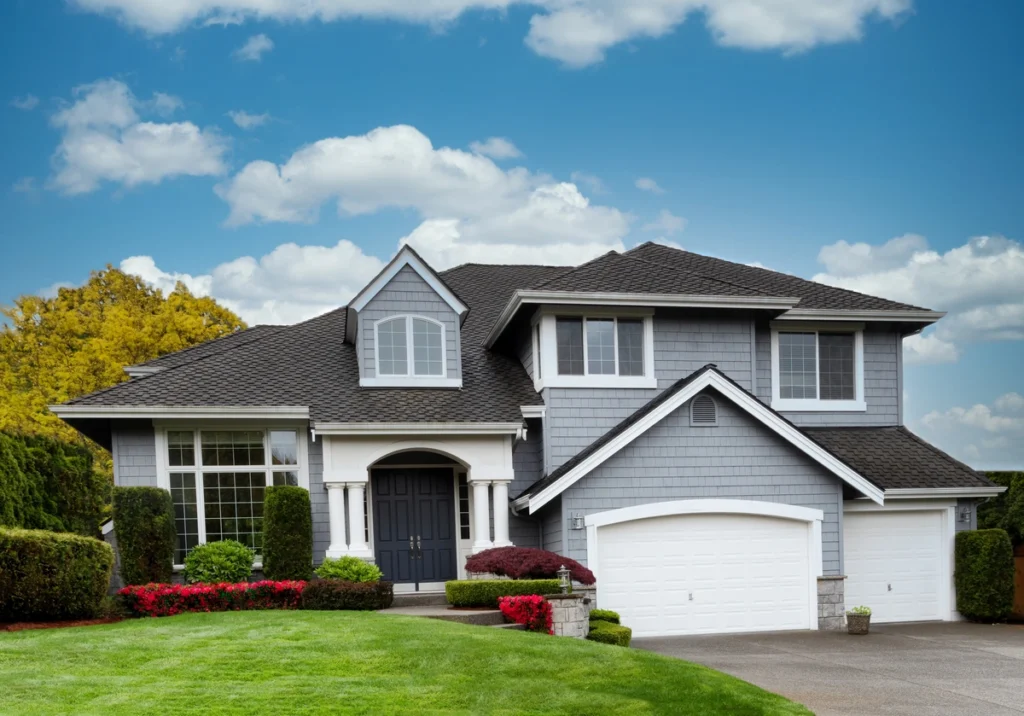
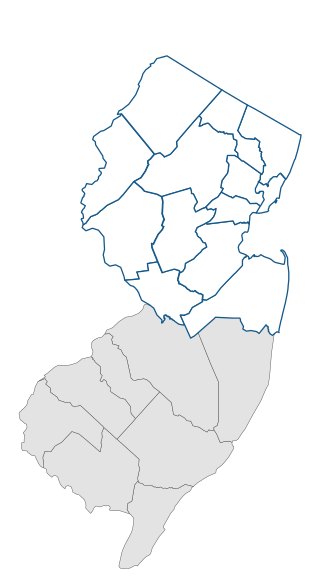
Linden stretches from established residential streets and the Sunnyside section to denser central neighborhoods and the more open industrial and waterfront edges near Tremley and Bayway. That variety produces very different rooflines, lot conditions, and wind exposure within the same city.
Housing includes postwar Cape Cods, Colonials, ranches, split-levels, two-family homes, small apartment buildings, newer infill, and mixed-use properties. A compact pitched roof with dormers should not be evaluated the same way as a multifamily building with parapets, roof drains, fire escapes, or a low-slope rear section.
Many homes have been expanded with upper-level dormers, rear rooms, garages, porches, and separate entrances. Those changes can create short valleys, roof-wall intersections, multiple vent stacks, low-slope tie-ins, and attic areas that no longer share one ventilation path.
Linden roofs must handle summer heat, heavy rain, wind, snow, ice, and freeze-thaw cycles. More open areas near industrial and tidal corridors may experience stronger wind than sheltered streets. Blue Nail reviews shingles or membrane, flashing, penetrations, ventilation, decking, gutters, drains, and the condition of every roof transition.
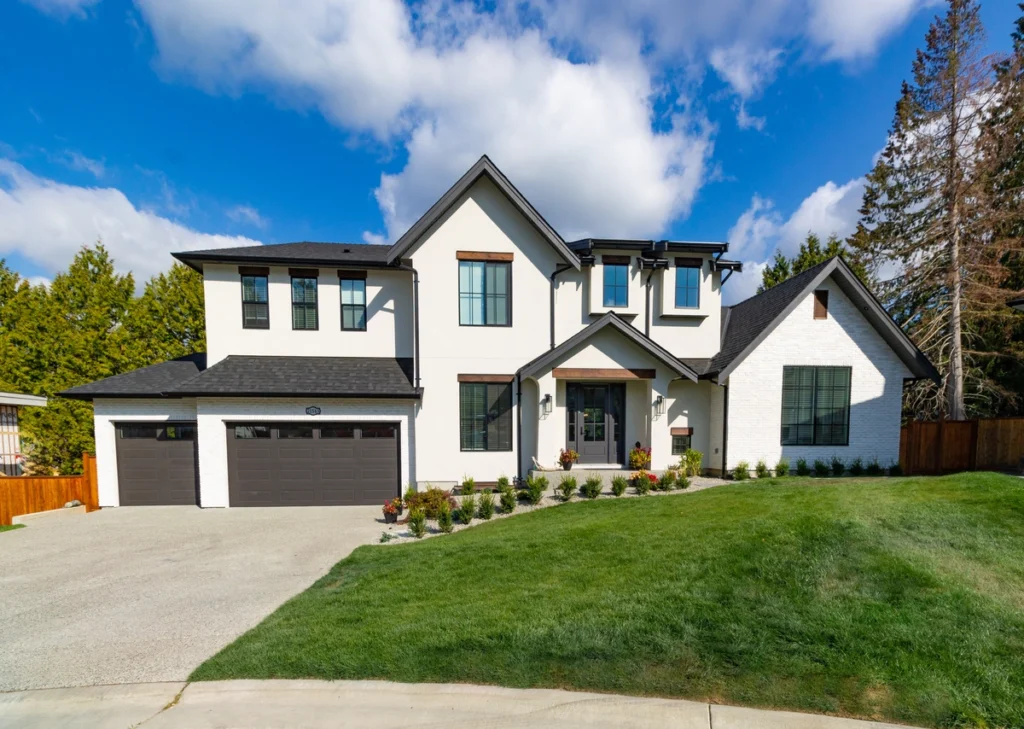
Common Linden Home Styles
A quick visual guide to show homeowners what matters most based on the style and structure of their home.
Traditional roofs need crisp workmanship and clean curb appeal.
Watch for: chimney flashing, dormers, ridge ventilation, valleys, and straight shingle lines.
These homes often have living space tucked under the roofline.
Watch for: dormers, sidewalls, roof-to-wall intersections, ventilation, and heat/moisture control.
Long roof planes make drainage and edge detail easy to spot.
Watch for: attic airflow, clean roof edges, broad gutter runs, and dependable drainage.
The biggest risks usually happen where roof sections come together.
Watch for: step flashing, roof-wall connections, valleys, gutters, and downspouts that move water away fast.
Older multi-unit roofs should be treated as full systems, not isolated leak repairs.
Watch for: vent pipes, chimneys, skylights, low-slope areas, and aging roof decking.
Shared rooflines need consistency as much as they need performance.
Watch for: HOA requirements, material matching, drainage patterns, and a uniform exterior look.
Roof replacement in Linden begins with identifying every roof system on the building. A detached Cape may have shingles plus a low-slope rear addition, while a two-family or mixed-use property can include parapets, roof drains, vent stacks, and several generations of repairs. The estimate should explain how each section will be addressed.
Tear-off may reveal plank decking, patched plywood, abandoned penetrations, wet insulation, damaged fascia, or old flashing that was covered instead of replaced. A complete proposal should define deck inspection, membrane or shingle details, ventilation, drainage, and the process for documenting concealed conditions.
Access planning is especially important on compact or occupied properties. Material delivery, debris containers, sidewalks, vehicles, entrances, neighboring walls, fire escapes, and daily cleanup should be resolved before the roof is opened. Crews should also account for wind exposure when staging materials.
Blue Nail can help compare GAF architectural shingles, metal roofing, composite slate or shakes, and appropriate low-slope membrane systems. The right system depends on pitch, building height, drainage, structure, appearance, maintenance, fire and access considerations, and whether the roof serves one or several units.
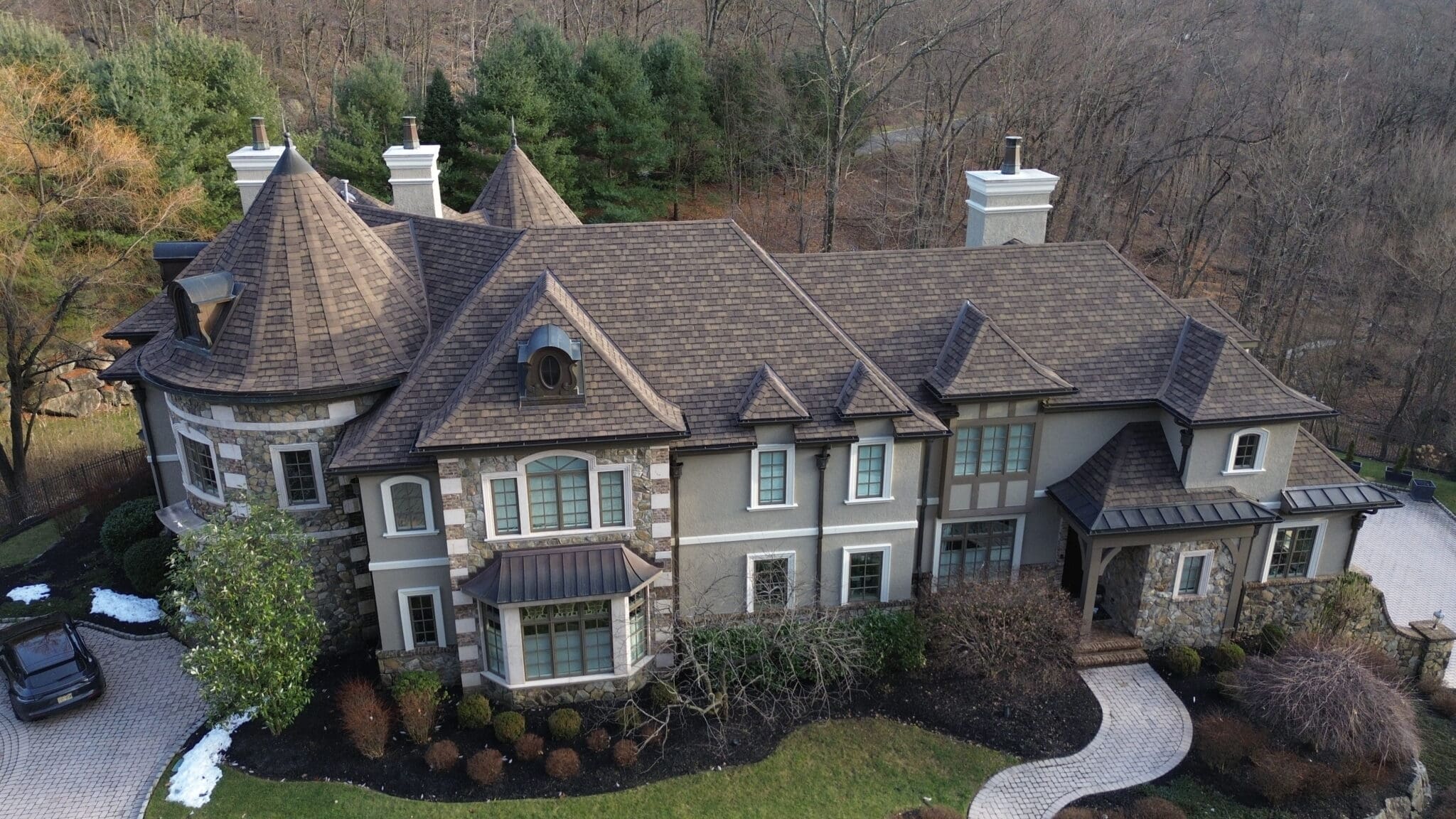
Roof repair in Linden commonly involves lifted shingles, failed pipe boots, chimney flashing, leaking dormers, low-slope seams, parapet edges, or blocked drains. On multifamily buildings, water can move between joists or along masonry and appear in a different unit from the original opening.
Wind damage should be evaluated beyond the missing pieces. Adjacent shingles, fasteners, edge metal, flashing, and the roof deck may also be affected. On open or higher buildings, uplift can begin at edges and corners that are not visible from the ground.
Low-slope roofs require membrane-specific repairs. Surface coating alone may not solve ponding, wet insulation, failed wall flashing, or deteriorated coping. The contractor should identify the membrane, substrate, and drainage path before recommending a patch.
A localized repair can be a good choice when damage is isolated and surrounding materials are sound. Replacement becomes more likely when several sections leak, the membrane is saturated, shingles are brittle, repeated patches have failed, or the deck and drainage system are broadly deteriorated.
Whether your New Jersey home is your place to share meals with your family, cheer on your favorite team, or catch up with your friends, our local team is committed to making your home everything you’ve ever dreamed of.
Yes. The inspection should account for all units beneath the roof, shared drainage, penetrations, entrances, access, and the building owner or manager who can authorize work.
A written plan should cover resident communication, daily weather protection, debris control, cleanup, and how concealed conditions will be approved.
Low-slope systems depend on membranes, seams, edge metal, flashing, drains, and scuppers rather than overlapping shingles. The repair material must be compatible with the existing system.
The inspection should check ponding, wet insulation, substrate condition, wall transitions, and drainage before deciding between repair, coating, overlay, or replacement.
Look safely from the ground for missing shingles, displaced edge metal, branches, or debris. Check the attic and upper ceilings for new moisture, but do not climb onto a wet or damaged roof.
Arrange an inspection when damage is suspected. Emergency covering may be needed when the roof is open, followed by documentation of the full affected area rather than only the most visible piece.
Cost depends on roof size, height, pitch, access, material, layers, deck condition, parapets, drains, chimneys, penetrations, low-slope sections, ventilation, and number of occupied units.
A clear estimate should separate the known scope from possible decking, wet insulation, masonry, coping, or other concealed work discovered after removal.
Repair may be practical for an isolated flashing defect, pipe boot, limited wind damage, or a small membrane failure when the surrounding roof remains healthy.
Replacement is more likely when leaks recur, materials are broadly worn, several incompatible patches exist, or the deck, insulation, and drainage system are failing.
Permit requirements depend on the exact scope, structural work, decking, building type, and related exterior changes. A simple repair and a major replacement or alteration may be handled differently.
Confirm current requirements with the City of Linden before work begins. The proposal should identify who is responsible for applications, inspections, and any zoning or association approvals.





Had our windows replaced by Blue Nail and they did an incredible job! EJ, Dom, Miguel, and the rest of the team were incredibly efficient while still being meticulous with every detail. They cleaned up every last piece of debris before they left, and the entire project went so much faster than I anticipated. Highly recommend!

Blue Nail Exteriors was outstanding to work with for installation of our new roof and gutters! They were timely and very friendly throughout the entire process. We love how our new roof and gutters look! I highly recommend reaching out to them and I’ve already told anyone I’ve ran into how great they are! My wife and I know in the future we will be contacting them again for windows and siding at some point!

Very Flexible and move fast once they are allowed to work. Painting took longer than expected (weather) and they were patient and professional. The price for our service was almost a $700 dollars less than another popular gutter only business.

Excellent. The team worked hard, got the job done in 2 days and was very professional in all aspects. The team coordinator (Kevin) was outstanding and incredibly knowledgeable.

Blue Nail is responsive, professional and a pleasure to deal with.

High recommendations 100%! This team was available, on time, cared, and helped prioritize our roofing before my birth. The crew were all hard working and no time wasted. Our roof looks beautiful on our first home. So very please and thankful this company came to our recommendation. You won't be disappointed!

Called about water pooling at the corner of our house near the gutter. Dan came by within 30 minutes to check it out. Turned out the gutters were just clogged. He went ahead and checked all the gutters around the house while he was here and got it sorted. Friendly, responsive, and genuinely helpful. Thank you so much! Blue Nail goes above and beyond for their customers.

They were fantastic! Managed to squeeze in a roof replacement job before our due date (birth) despite that I gave a very short notice, and they did a great job, cleaned up well, and to a good price! It was great! Thank you! My highest recommendations.

Blue Nail resided our home using Hardie material. Their price was competitive, and the quality of work was a 6 out of 5 stars! John Hogan and his team are easy to work with as was the excellent crew doing the work on our house. They were meticulous! I would recommend Blue Nail without hesitation or reservation!