973-937-8876
2 minute read
After the Nor’easter: The Roof Problems Homeowners Notice Too Late
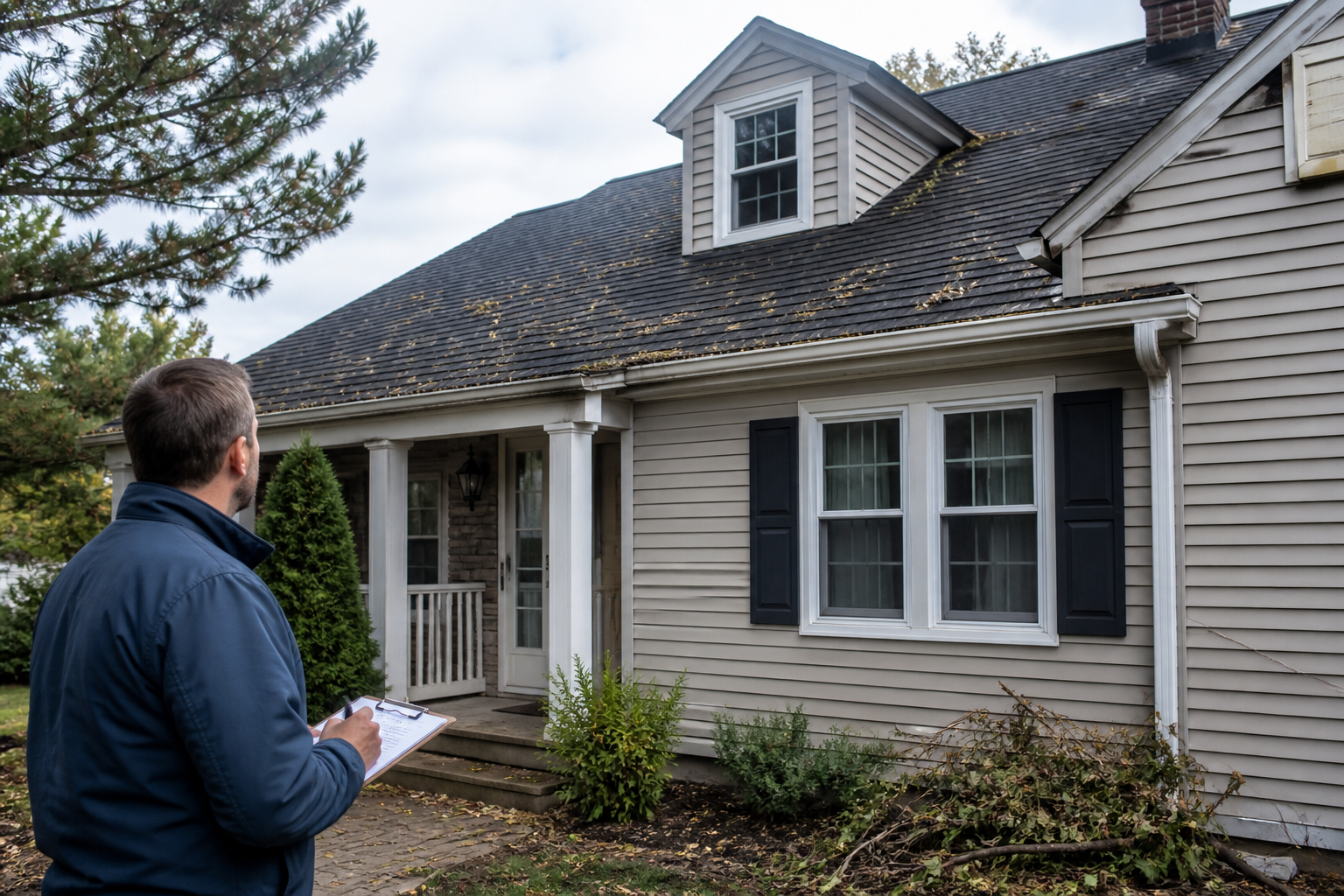
Understanding Post-Nor’easter Roof Issues Nor’easters bring intense wind and rain that can…
If you need a trusted roofing company in Maplewood, New Jersey, the experienced team at Blue Nail Roofing and Siding can help. We can serve all of your roofing needs, from minor maintenance and repairs to full roof installation and replacement.

Outstanding GAF Golden Pledge Warranty

Flexible Financing

Wide Range of Top-Notch Services
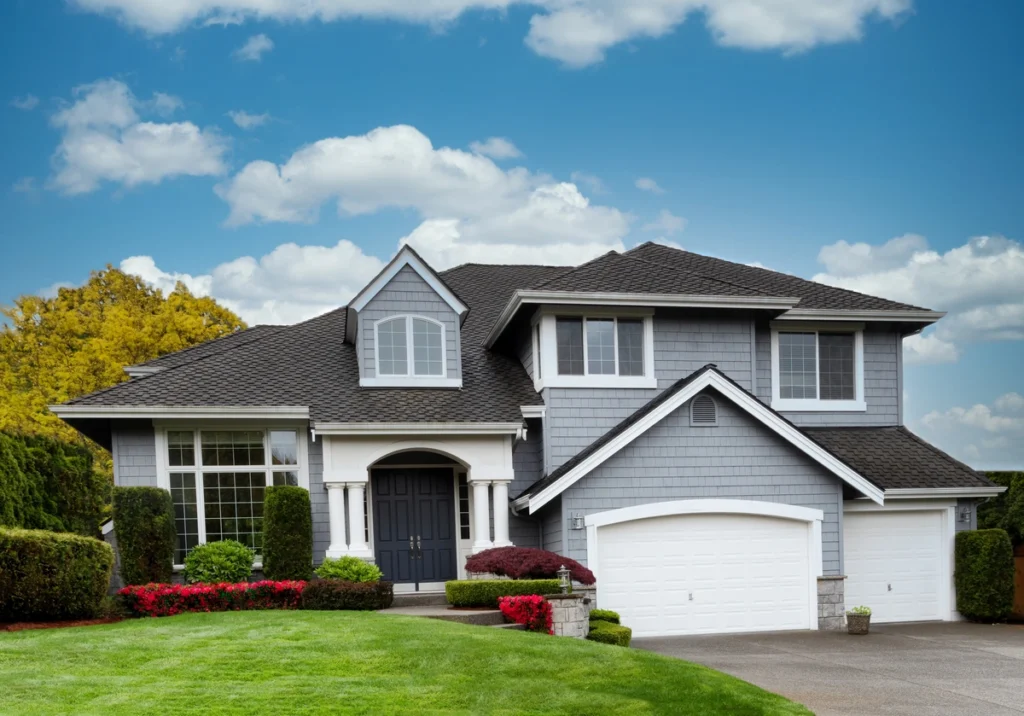
If you are looking for a roofing contractor in Maplewood, NJ, you want a company that understands century-old homes, 1920s and 1930s architecture, mature tree cover, and the details that give local streets their character.
Maplewood includes established neighborhoods around Maplewood Village, Memorial Park, Springfield Avenue, Hilton, College Hill, and the residential areas approaching South Mountain. Colonial Revival, Dutch Colonial, Tudor Revival, Victorian, American Foursquare, Craftsman, bungalow, and Cape Cod homes are all part of the local mix. Many have dormers, masonry chimneys, steep valleys, porches, and additions built long after the original house.
Older architecture rewards careful roofing work. The roof may sit on plank decking, include original or repaired slate, use nonstandard flashing around a chimney, or connect to a low-slope porch and rear addition. Mature trees provide shade and beauty but can also fill gutters, slow drying, and increase wear in valleys and along roof edges.
Whether your home is near The Woodland, Maplewood Village, Memorial Park, the Springfield Avenue district, or a wooded residential street, Blue Nail can help evaluate roof repair, replacement, ventilation, flashing, gutters, and material choices that protect the home without losing its architectural balance.
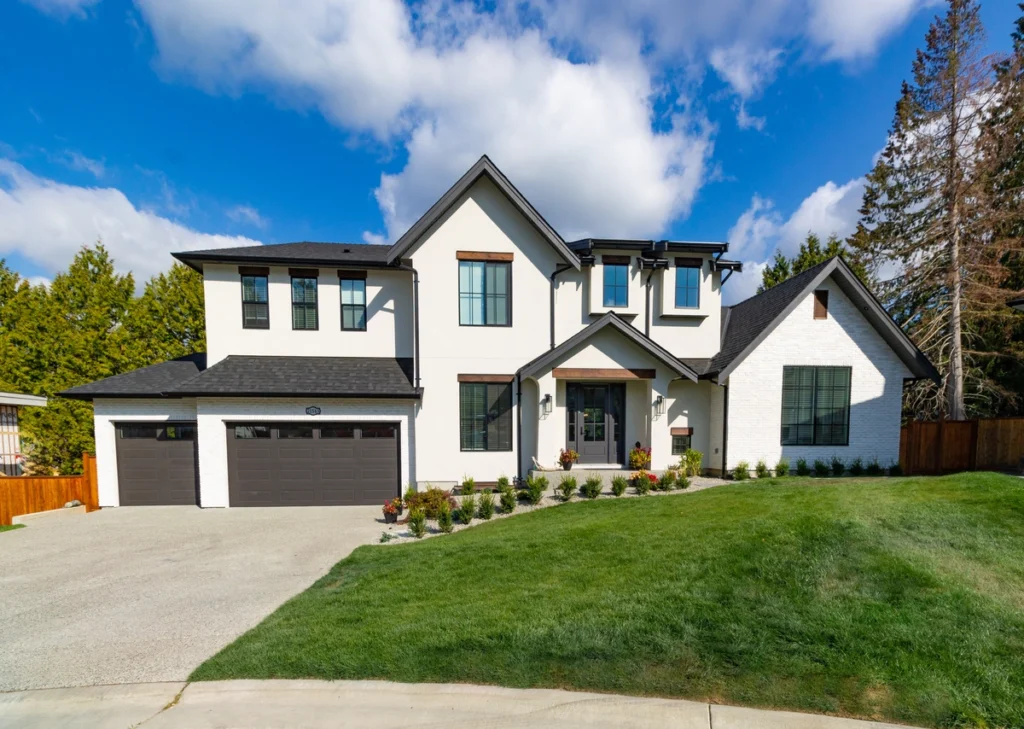
Common Maplewood Home Styles
A quick visual guide to show homeowners what matters most based on the style and structure of their home.
Traditional roofs need crisp workmanship and clean curb appeal.
Watch for: chimney flashing, dormers, ridge ventilation, valleys, and straight shingle lines.
These homes often have living space tucked under the roofline.
Watch for: dormers, sidewalls, roof-to-wall intersections, ventilation, and heat/moisture control.
Long roof planes make drainage and edge detail easy to spot.
Watch for: attic airflow, clean roof edges, broad gutter runs, and dependable drainage.
The biggest risks usually happen where roof sections come together.
Watch for: step flashing, roof-wall connections, valleys, gutters, and downspouts that move water away fast.
Older multi-unit roofs should be treated as full systems, not isolated leak repairs.
Watch for: vent pipes, chimneys, skylights, low-slope areas, and aging roof decking.
Shared rooflines need consistency as much as they need performance.
Watch for: HOA requirements, material matching, drainage patterns, and a uniform exterior look.
Roof replacement in Maplewood should respect both the roofing system and the architecture. On many homes, the roof is highly visible and helps define whether the house reads as Colonial, Tudor, Victorian, or Craftsman. Material profile, color variation, metal details, and the thickness of edges can change the overall appearance.
The technical scope is just as important. A contractor should inspect the number of layers, deck type and condition, chimney and dormer flashing, valleys, ventilation, gutters, porch roofs, and additions. Older plank decking may be serviceable, may require selective repairs, or may need an overlay depending on spacing, condition, and manufacturer requirements.
Finished upper floors and converted attics deserve a specific ventilation review. Insulation can block eave intake, knee walls can separate roof cavities, and dormers can interrupt the path to the ridge. The replacement plan should explain how heat and moisture will be managed rather than adding vents without understanding the assembly.
Blue Nail can help compare GAF architectural shingles, metal roofing, composite slate and shakes, natural slate, and cedar shakes. The best selection should work with the house, the roof pitch, expected maintenance, and the owner's long-term plans.
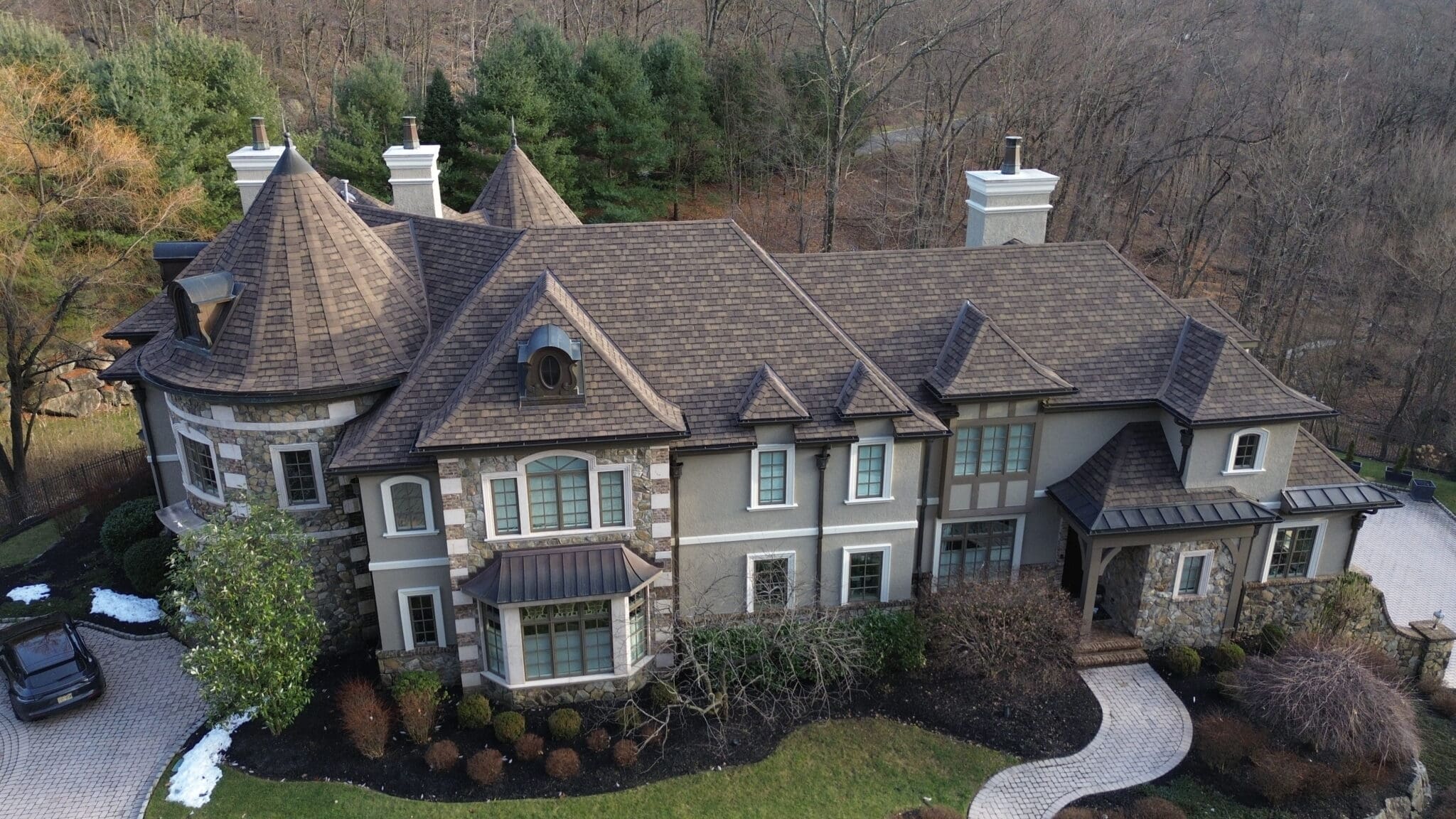
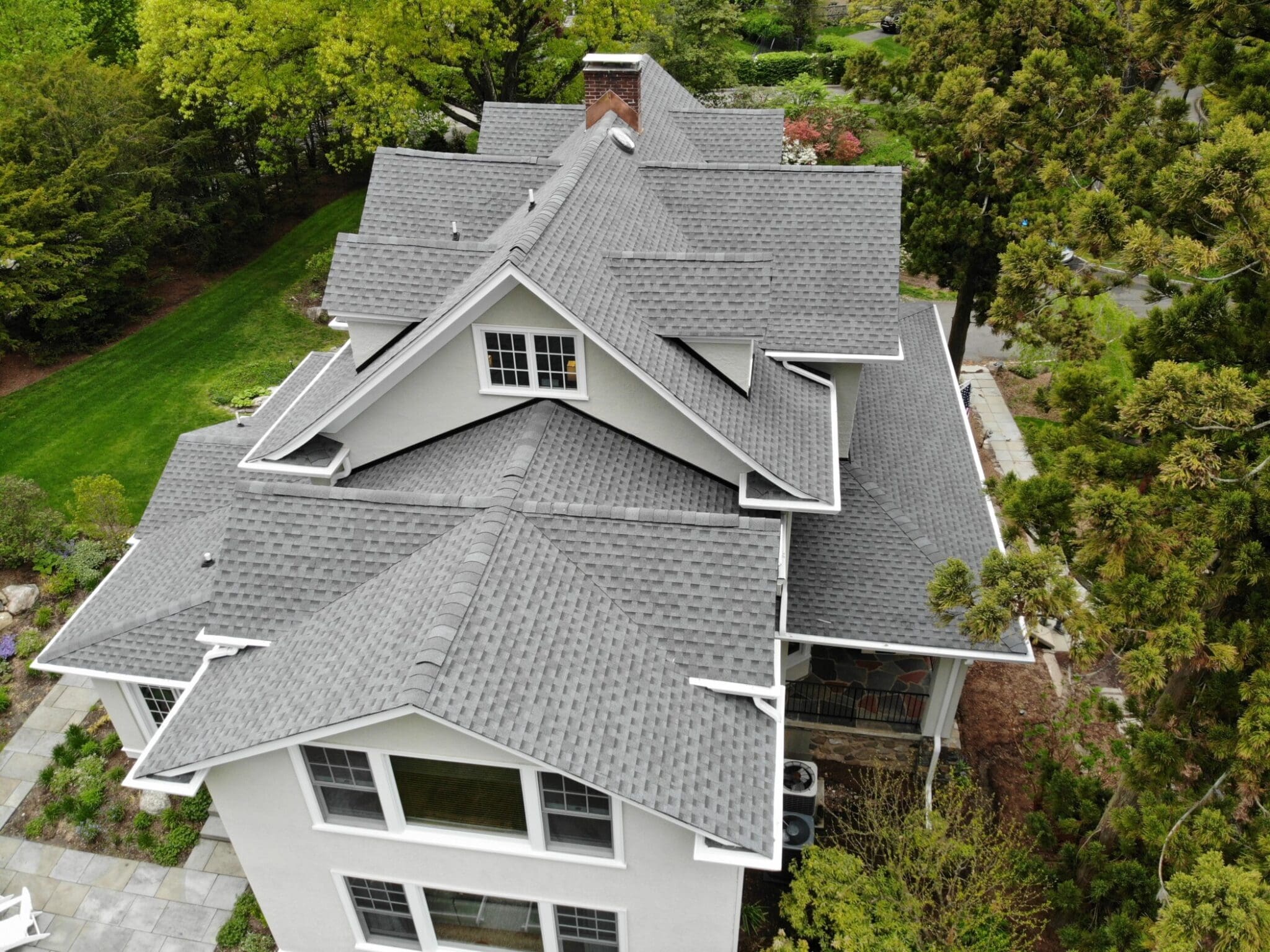
Roof repair in Maplewood often involves a chimney, dormer, valley, porch roof, or addition rather than an open field of shingles. Water may enter behind old step flashing, at a masonry joint, beneath a short valley, or where a newer roof section was tied into the original house.
Tree cover can make diagnosis more complicated. Leaves may block gutters and valleys, branches may damage shingles, and shaded surfaces can stay damp. Organic growth should be evaluated carefully and treated with methods that do not strip granules or damage slate and other specialty materials.
Older slate or cedar details may be repairable even when a few pieces have failed. The surrounding material, fasteners, flashing, and deck need to be assessed before deciding whether a selective repair, partial replacement, or full conversion is appropriate.
A good repair should preserve sound material, rebuild the failed detail in a durable way, and be visually compatible with a prominent roof. Exposed sealant and mismatched shingles may stop water temporarily but can create a poor long-term result.
Whether your New Jersey home is your place to share meals with your family, cheer on your favorite team, or catch up with your friends, our local team is committed to making your home everything you’ve ever dreamed of.
Repair can be a good choice when the issue is limited and the roof around it remains serviceable. Replacement becomes more practical when failures are recurring, shingles or specialty materials are broadly deteriorated, several additions have different roof ages, or ventilation and decking problems affect the full system.
The recommendation should consider architecture and future plans as well as immediate leak control.
Often, yes. Individual broken or slipping slates and localized flashing failures can sometimes be corrected without replacing the full roof. The decision depends on the condition of the slate, fasteners, underlayment, flashing, and deck.
A repair should use compatible materials and attachment methods rather than face-nailing pieces in a way that creates new leak points.
Cost depends on roof size, pitch, height, access, complexity, material, existing layers, decking, chimneys, dormers, valleys, porches, ventilation, and gutters. A steep Tudor or detailed Victorian roof will require a different scope than a simple Cape Cod.
The estimate should explain detail work and potential hidden conditions so the comparison between contractors is meaningful.
Consider the home's architectural style, brick or stone, siding, trim, and the amount of roof visible from the street. A restrained blend may complement a detailed Tudor, while a cleaner tone may suit a Colonial facade.
Review full-size samples outdoors and look at them in both sun and shade before making the final choice.
Many older homes were not framed with a modern eave-to-ridge airflow path. Finished attics, knee walls, dormers, insulation, and additions can block or divide roof cavities.
Ventilation improvements should be designed around the actual assembly. Adding exhaust without sufficient intake can leave the system unbalanced.
Mature trees can drop leaves and small branches into valleys and gutters, shade roof sections, and create impact risk during storms. Clogged drainage can force water behind fascia, over roof edges, or toward foundations.
Regular maintenance, safe branch clearance, and properly sized downspouts help the roofing system manage water without sacrificing the benefits of the tree canopy.





Had our windows replaced by Blue Nail and they did an incredible job! EJ, Dom, Miguel, and the rest of the team were incredibly efficient while still being meticulous with every detail. They cleaned up every last piece of debris before they left, and the entire project went so much faster than I anticipated. Highly recommend!

Blue Nail Exteriors was outstanding to work with for installation of our new roof and gutters! They were timely and very friendly throughout the entire process. We love how our new roof and gutters look! I highly recommend reaching out to them and I’ve already told anyone I’ve ran into how great they are! My wife and I know in the future we will be contacting them again for windows and siding at some point!

Very Flexible and move fast once they are allowed to work. Painting took longer than expected (weather) and they were patient and professional. The price for our service was almost a $700 dollars less than another popular gutter only business.

Excellent. The team worked hard, got the job done in 2 days and was very professional in all aspects. The team coordinator (Kevin) was outstanding and incredibly knowledgeable.

Blue Nail is responsive, professional and a pleasure to deal with.

High recommendations 100%! This team was available, on time, cared, and helped prioritize our roofing before my birth. The crew were all hard working and no time wasted. Our roof looks beautiful on our first home. So very please and thankful this company came to our recommendation. You won't be disappointed!

Called about water pooling at the corner of our house near the gutter. Dan came by within 30 minutes to check it out. Turned out the gutters were just clogged. He went ahead and checked all the gutters around the house while he was here and got it sorted. Friendly, responsive, and genuinely helpful. Thank you so much! Blue Nail goes above and beyond for their customers.

They were fantastic! Managed to squeeze in a roof replacement job before our due date (birth) despite that I gave a very short notice, and they did a great job, cleaned up well, and to a good price! It was great! Thank you! My highest recommendations.

Blue Nail resided our home using Hardie material. Their price was competitive, and the quality of work was a 6 out of 5 stars! John Hogan and his team are easy to work with as was the excellent crew doing the work on our house. They were meticulous! I would recommend Blue Nail without hesitation or reservation!