

When Winter Roof Damage Hides Beneath the Ice
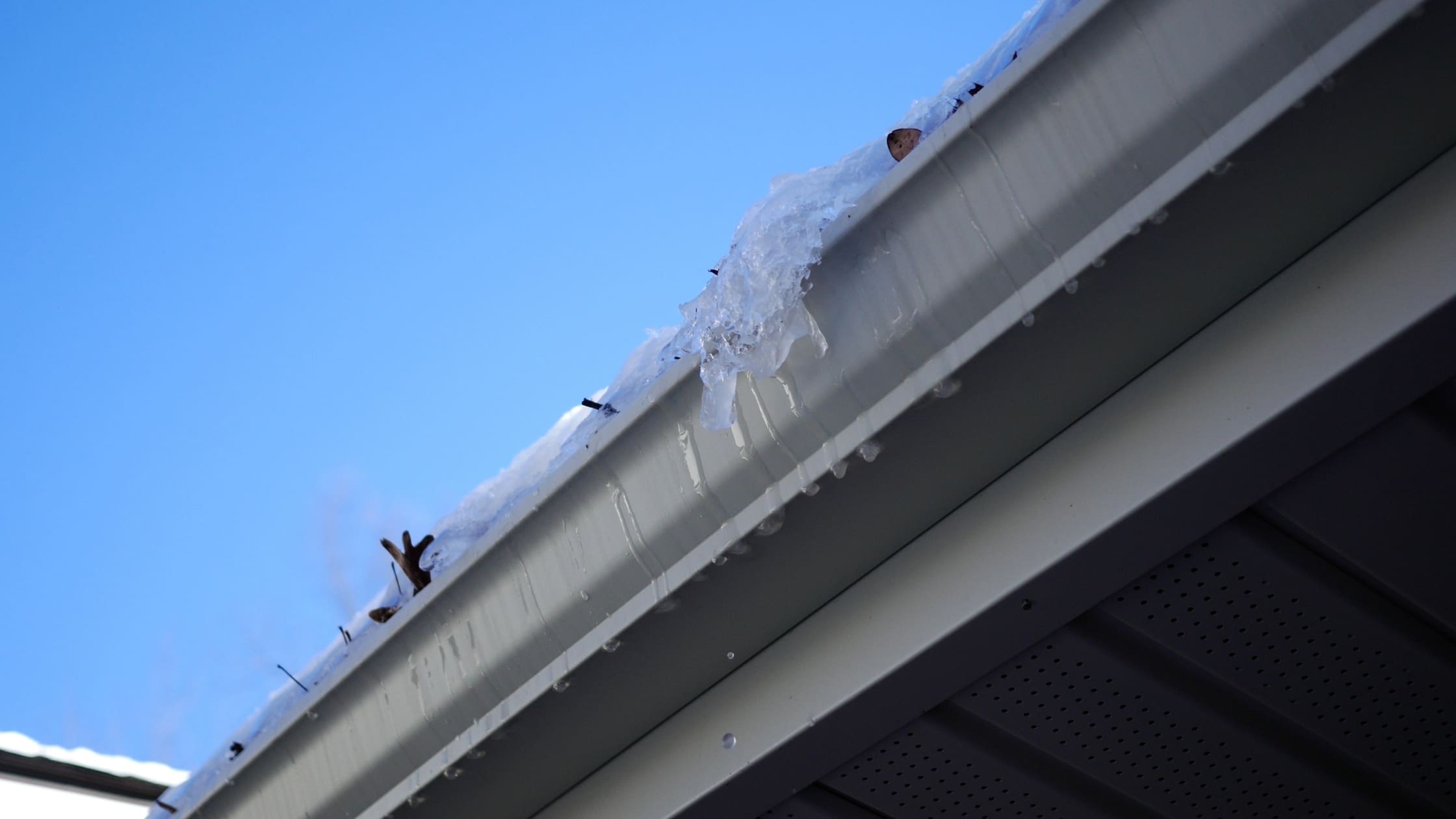
During the winter months in New Jersey, homeowners often notice ice building along the edges of their roofs. These formations, known as ice dams, are a natural winter phenomenon that can occur in freezing conditions and may lead to water damage and other problems.
The challenge is that when ice dams form, it can be extremely difficult to inspect the roof safely or accurately. Snow, ice, and freezing temperatures make it nearly impossible to see the full extent of damage.
At Blue Nail Exteriors, we often advise homeowners to schedule a roof inspection once temperatures begin to rise in early spring, when the roof surface is finally visible again.
A recent project is a good example of why timing matters.
The Situation Homeowners Often Face After Winter
A homeowner contacted our team after experiencing heavy ice buildup along their roof during the winter. Water had begun to back up beneath the shingles and leak into the attic.
During the winter months, the homeowner had another contractor attempt ice dam removal.
Unfortunately, attempting to remove ice dams while conditions are still freezing can sometimes cause additional damage to roofing or gutters. In this case, portions of the roof shingles had been torn while trying to remove the ice buildup.
This is one of the most common issues we encounter with ice dam removals and a key reason we don’t offer ice dam removal services.
Why Ice Dam Removals Can Sometimes Make the Problem Worse
Ice dams form when heat escaping from the home melts snow on the roof. That water flows down the roof surface until it reaches the colder eaves, where it refreezes.
Over time, a ridge of ice forms and traps water behind it.
When contractors try to remove ice dams aggressively during winter, they may:
- break or tear shingles
- damage flashing
- loosen roof components
- create openings for water intrusion
In many cases, these attempts can turn a repairable issue into a much larger roofing problem.
That’s why careful inspection and proper timing are so important.
Why Spring Inspections Are Often the Best Next Step
Once the weather warms and the ice begins to melt naturally, roofing professionals can safely and accurately assess the roof, revealing its true condition and helping determine whether any leak was a one-time issue caused by ice dams or the result of another underlying problem.
At that point, we can inspect:
- shingle condition
- flashing integrity
- underlayment damage
- signs of trapped moisture
- attic ventilation issues
Spring inspections help homeowners understand whether the roof only needs targeted repairs or if more extensive work may be necessary.
What Our Inspection Revealed
When our team inspected this particular roof after the winter thaw, we discovered several issues caused by the removal attempt.
Some shingles had been damaged during the ice removal process, and water had worked its way beneath sections of the roofing system.
The good news was that the damage was identified early enough to address the problem before it spread further throughout the roof system.
By catching the issue in spring, the homeowner was able to plan the right solution instead of continuing temporary winter repairs.
Preventing Ice Dams in the Future
Ice dams are usually a sign of heat escaping, but even well-insulated and ventilated roofs aren’t completely immune, especially during heavy snow or fluctuating temperatures.
To help prevent the issue from recurring, its important to address key factors:
- Proper attic ventilation-Balanced insulation
- Sealed attic air leaks
- Healthy roof drainage systems
When these elements work together, the roof surface maintains a more consistent temperature, reducing the likelihood of snow melting and refreezing along the eaves.
What This Means for Your Home
If you experienced ice dams during the winter, it’s a good idea to schedule a professional roof inspection once temperatures rise.
Many roofing issues caused by winter storms or ice dams are not fully visible until the snow and ice have melted. Catching those problems early can help prevent larger repairs down the road.
Our team works with homeowners throughout Northern New Jersey to evaluate winter roof damage and provide clear recommendations on the next steps.
If you’d like to schedule a roof inspection after the winter season, you can start here:
Quick Answers