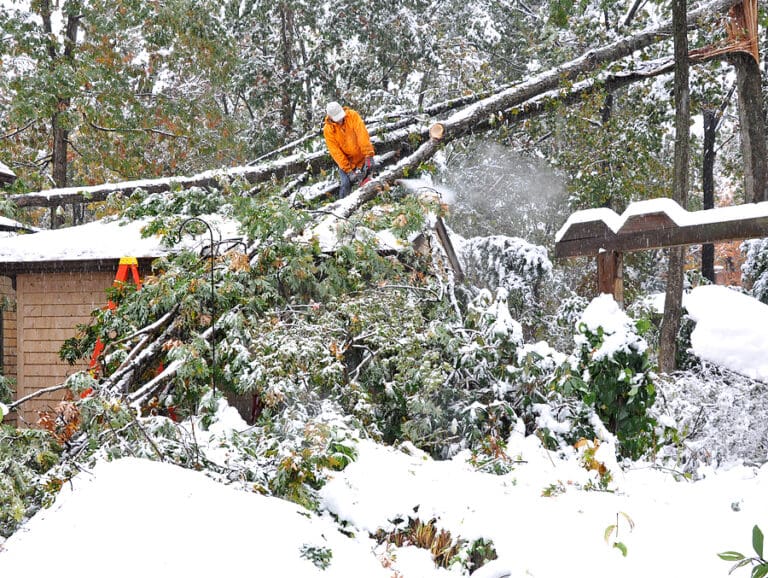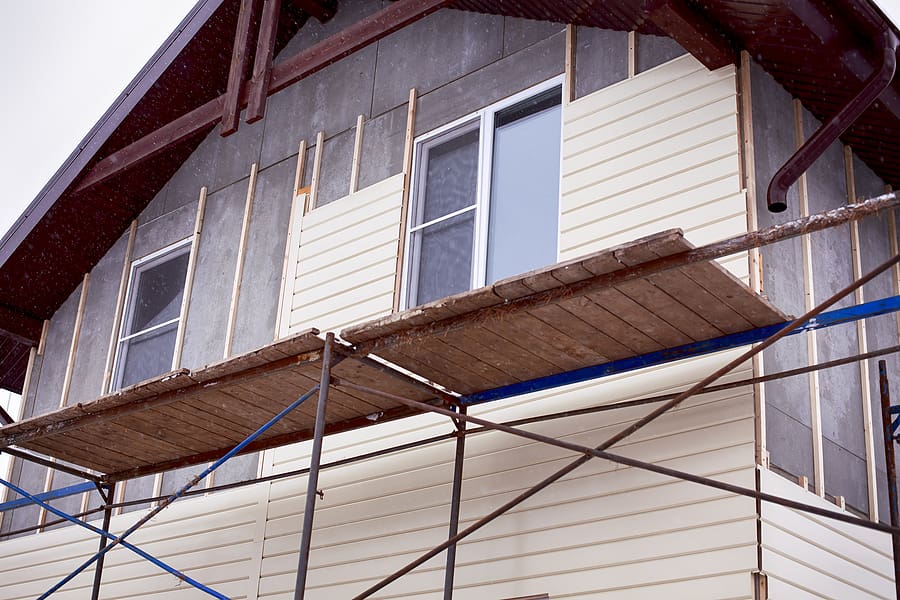


It’s easy to understand why people don’t see winter as a viable time for exterior improvements, even when they are necessary. Moisture is a constant threat to the underlying structure of your home. The last thing you want to do is expose that when there is moisture everywhere! But when it comes to siding, all you really need is a manufacturer-certified professional who understands the product and how the cold works.
Prep & Protection
The biggest factor in winter siding installation is protection. Since proper winter siding installation can involve extra steps, it’s best to ensure the site is ready before your contractors get started. As a homeowner, you can help by:
- Removing any debris, décor, or obstacles that would prevent the contractors from accessing the area
- Trim overhanging branches and cut back shrubbery that could cause accidents or structural damage during the work
- Schedule work during days that are expected to be mild. This will help avoid delays or exposed areas during bad weather.
- Talk with your contractor and know the timeline expected for the job, along with what they are doing to mitigate cold and moisture concerns
Moisture Prevention
Under ideal conditions, a siding contractor would be able to do large sections of the home without worrying about the underlying structure being exposed to the elements. If we want to do this in winter, we need to scale down. Smaller sections lead to less exposure, helping to prevent moisture from finding its way in. Water resistant materials are used during the process to further reduce the chance of leaks.
Durable Materials
It’s true that some building materials are not suitable for cold weather work. Older manufactured vinyl siding used to be a concern, as cutting it in cold weather could cause the vinyl to turn brittle at about 35 degrees, compromising the durability. Modern vinyl, however, has been engineered to combat this problem, making it easier to work with.
Adhesives and proper sealing are another factor. Cold temperatures and wet weather can cause the adhesive properties to break down and refuse to bond correctly. To ensure a good seal and reliable adhesion, contractors need to use low-temperature caulks and adhesives meant for these environments. Warming the materials before application can also assist in this process.
Installing siding during the winter can offer some unique challenges, but with the right mindset and skilled contractors, it is far from impossible. Blue Nails Exteriors is here to help you through this process, whether new siding is an emergency or just a tad overdue. We have contractors who are not just employees, but neighbors who understand the nuance of New Jersey weather.