

As winter weather settles into northern New Jersey, ice dams and roof leaks become serious concerns for homeowners. Left unchecked, these issues can lead to costly damage inside and outside your home. Here’s what causes them, how to prevent them, and when to call for help.
What Are Ice Dams?
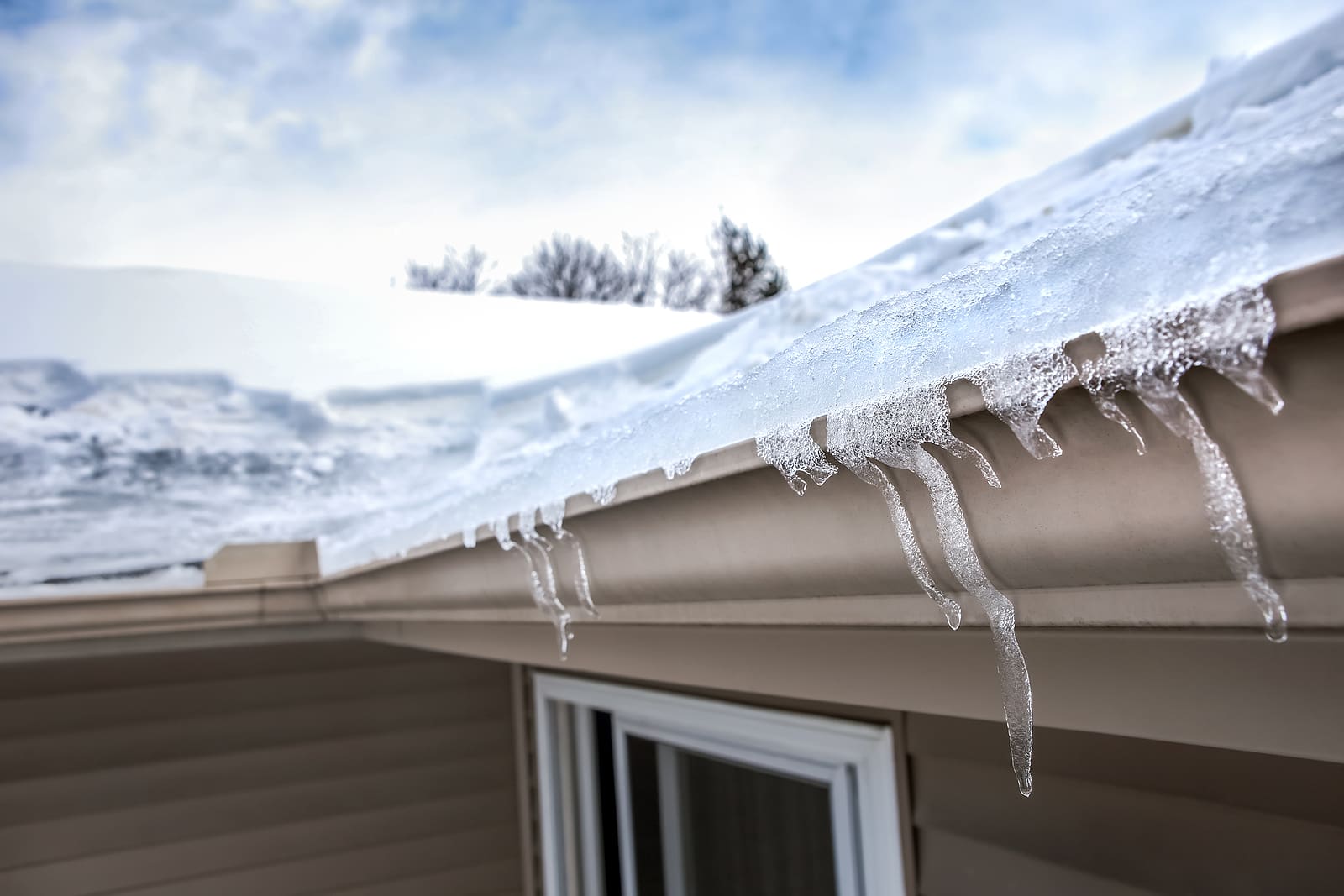
Ice dams form when warm air in your attic melts snow on your roof. As the melted water runs down and refreezes near the colder edges, it creates a barrier that traps more water behind it. This water can back up under shingles and leak into your home.
Signs You Might Have an Ice Dam
1. Icicles forming along the roofline
2. Water stains on ceilings or walls
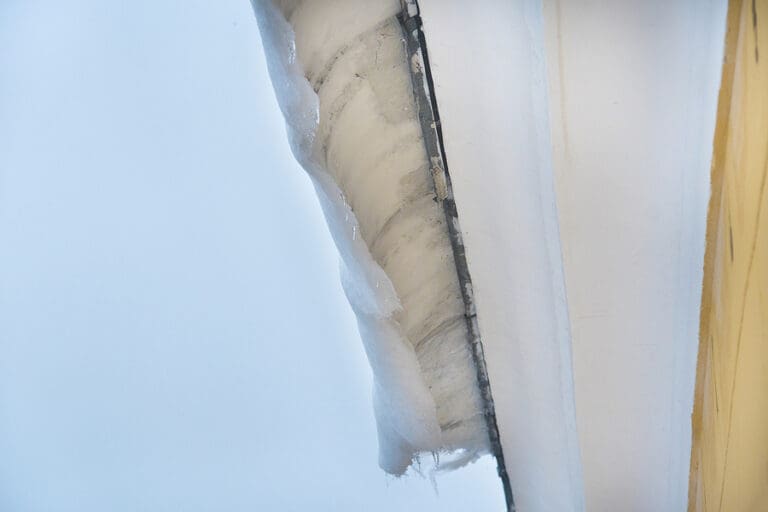
3. Ice buildup at roof edges or in gutters
4. Drafts or cold spots in upper rooms
Spotting these signs early can help you prevent further damage.
How to Prevent Ice Dams
The key to preventing ice dams is keeping your roof cold and ensuring water can flow freely. Start by improving your attic ventilation to help maintain a consistent roof temperature. Sealing any air leaks around lights, vents, and pipes will keep warm indoor air from escaping into the attic. Upgrading your attic insulation can further reduce heat loss, making your roof less likely to melt snow unevenly. It’s also important to clean your gutters and downspouts before snowfall to allow water to drain properly. And if you’re replacing your roof, be sure it includes an ice and water shield—at Blue Nail, this is a standard part of every roof we install.
How Blue Nail Can Help
At Blue Nail Exteriors, we offer winter-readiness support built around long-term protection. Here’s how we help:
1. Inspections focused on proper ventilation (which includes evaluating insulation effectiveness)
2. Gutter repairs or replacements to ensure water moves safely away
3. Ice and water shield installation during every roof replacement
4. Personalized advice on what to watch for and when to call in help
When to Call for Help
If you see warning signs of ice dams or active leaks, don’t wait. Moisture damage can escalate quickly in winter. Our team is trained to assess and respond—even in challenging weather.
How We Can Help You Move Forward
Preventing ice dams is one of the best ways to protect your roof and avoid major repairs. Whether you need a winter inspection, a ventilation upgrade, or help understanding your options, we’re here to guide you.
Reach Out Today for expert guidance on keeping your roof safe this winter.