
 973-937-8876
A Little Granule Loss Is Not Always a Crisis
This is where homeowners get tripped up.
A new roof can shed some excess granules after installation.
Manufacturers have long noted that some loose surface granules work free early on and that this alone does not automatically mean the shingles are defective.
You may notice this after the first few storms, especially if the roof was installed recently.
That is very different from a roof that is ten, fifteen, or twenty years old and showing bare spots, color changes, or widespread wear across an entire slope.
Context matters.
Roof age matters.
The pattern of the granule loss matters.
Why Shingles Lose Granules
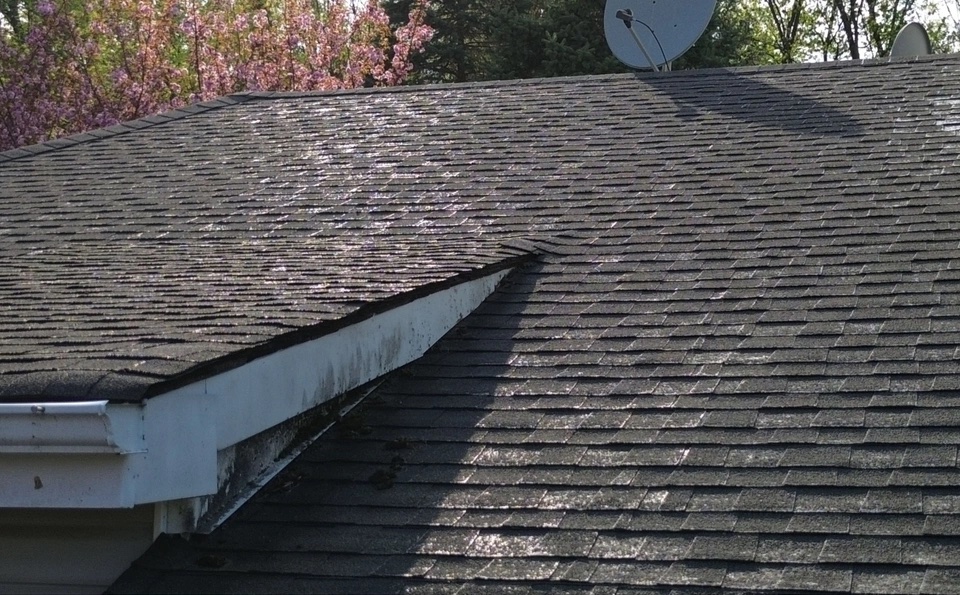
The most common cause is simple aging.
Over time, sun exposure, temperature swings, rain, snow, and freeze-thaw cycles wear the bond between the asphalt and the granules.
That is normal roof life.
In Northern New Jersey, that wear can speed up because roofs deal with winter weather, summer heat, and wind-driven rain.
Storms are another factor.
Heavy winds can lift or stress shingles.
Foot traffic can also do damage, especially on older roofs or on hot days when shingles are softer.
There are also cases where poor ventilation, installation mistakes, or manufacturing issues contribute to premature wear.
That is why one photo of granules in a gutter is never enough to diagnose the whole roof.
The Difference Between Normal Wear and a Real Warning Sign
Here is the practical way to think about it.
If a newer roof has a light amount of granules washing off and the shingles still look uniform, that may be part of the normal settling process.
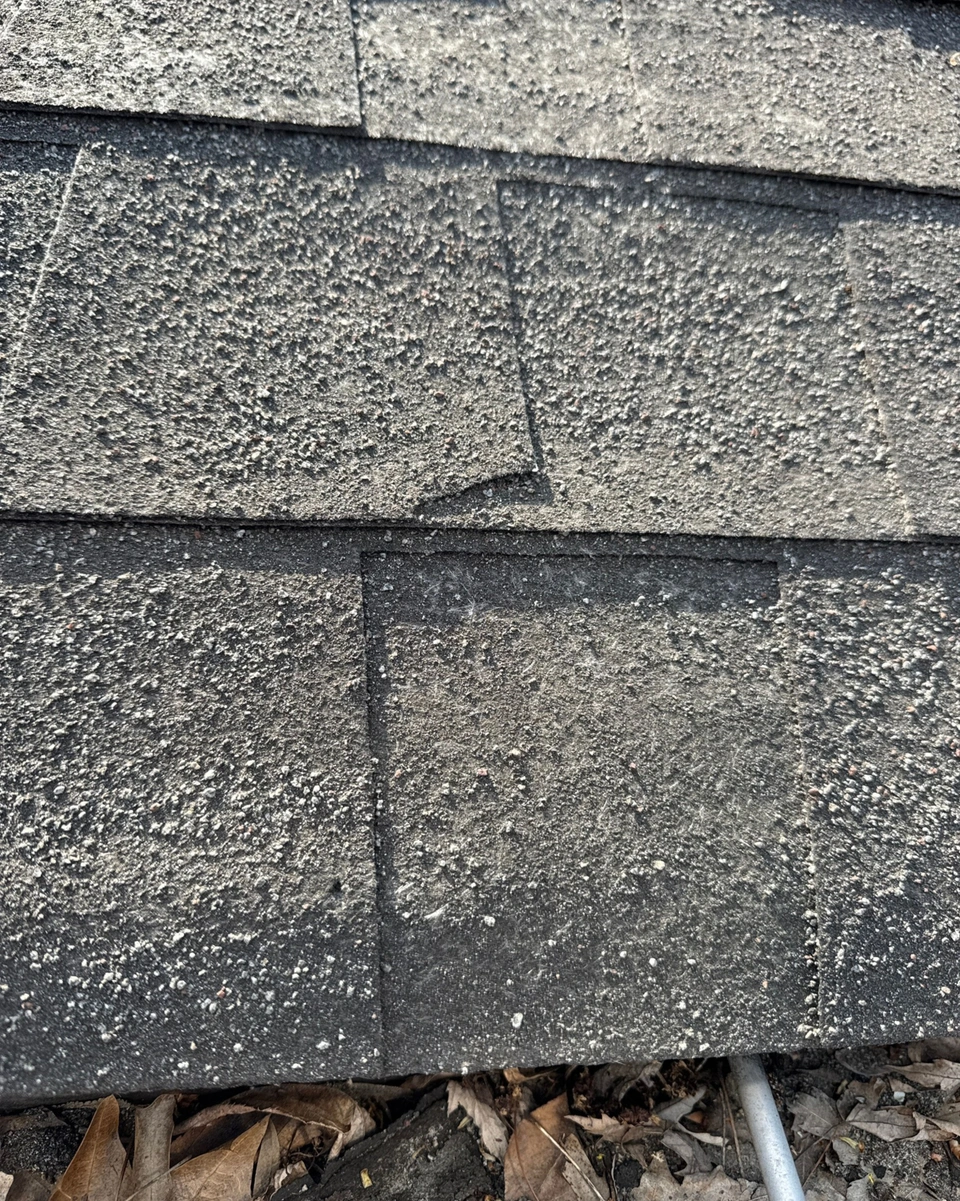
If an older roof has dark patches, exposed asphalt, uneven fading, brittle shingle edges, or obvious bald spots, that is a different conversation.
The same goes for roofs that start losing granules in concentrated areas around valleys, lower sections, or spots that take the hardest weather exposure.
That usually points to accelerated wear.
And if the granule loss comes with curling shingles, cracked tabs, interior water stains, or loose flashing, the roof is telling you more than one thing at once.
That is when homeowners get into trouble by waiting too long.
What Homeowners Should Look For
You do not need to climb onto the roof to spot early warning signs.
Start from the ground.
Look for discoloration that breaks the roof into obvious light and dark patches.
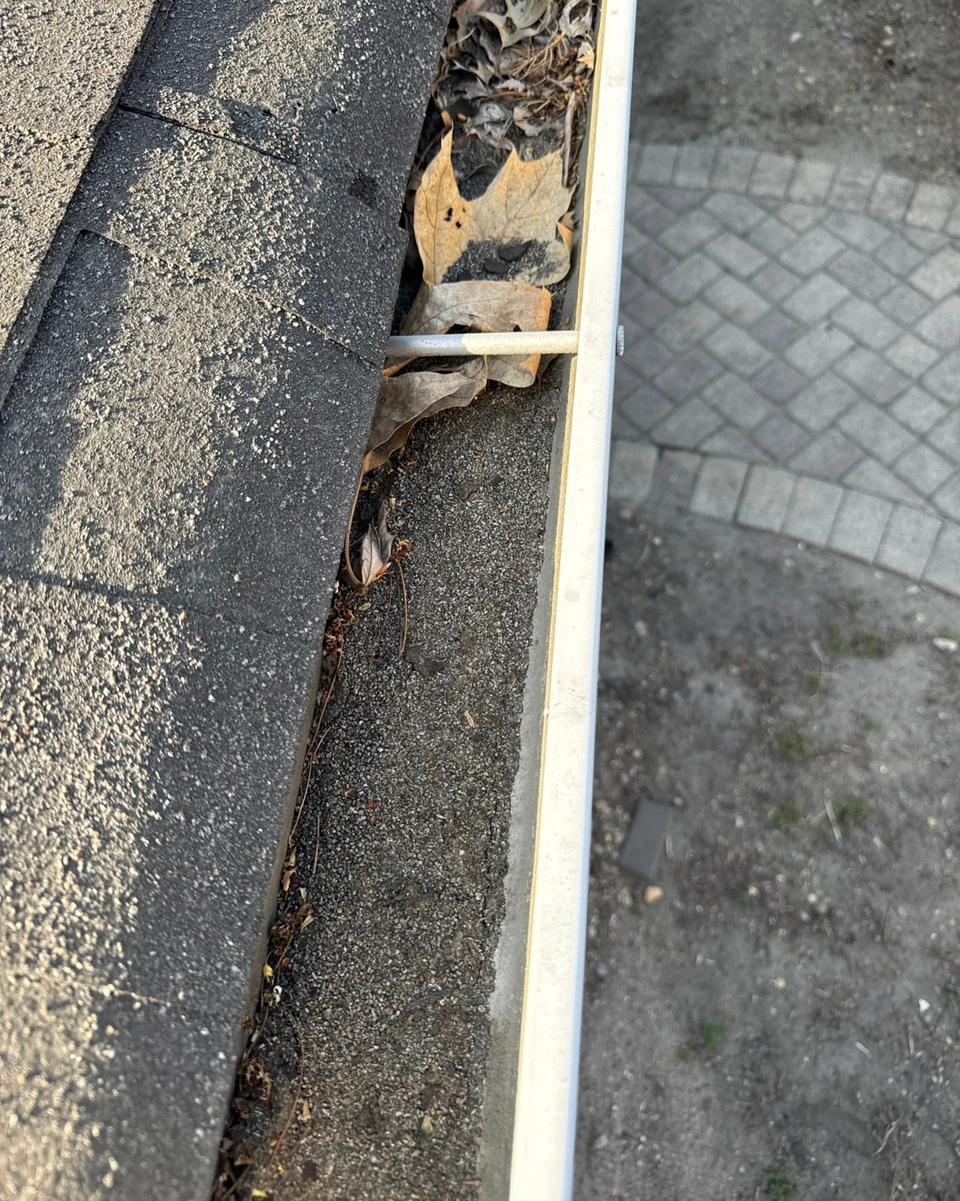
Check your gutters and downspouts for repeated buildup, not just one isolated collection after a storm.
Pay attention to any shingles that look patchy, thin, curled, or inconsistent.
Inside the house, look for ceiling stains, attic moisture, or that musty feeling that tends to show up before a full leak announces itself.
After a bad stretch of weather, do not assume every missing granule is storm damage.
That is another common mistake.
Aging, blistering, scuffing, and other non-storm issues are often discovered after bad weather simply because that is when people finally inspect the roof.
The storm may reveal the problem without being the whole cause of it.
Why Waiting Gets Expensive
Granule loss is not just a cosmetic issue.
Once the protective surface wears away, the asphalt layer underneath takes more direct punishment from the sun and weather.
That can shorten the life of the shingle and increase the odds of cracking, leakage, and broader roof failure.
Small warning signs have a way of becoming expensive repairs when they sit through another season.
A roof that might have needed a targeted repair or a clear maintenance plan in July can look very different after a full winter in New Jersey.
That is especially true if the roof already has weak spots around penetrations, flashing, valleys, or ventilation components.
What To Do Next
If you are seeing a small amount of granule loss on a recently installed roof, document it and keep an eye on whether it tapers off.
If the roof is older, the granule loss is widespread, or you are seeing bald areas and other signs of wear, it is time for a proper inspection.
The goal is not to jump straight to replacement.
The goal is to get a real read on the roof before the next round of weather makes the decision for you.
A good inspection should tell you whether the issue is normal aging, storm-related damage, isolated wear, or a sign that the roof is nearing the end of its useful life.
That is the information homeowners actually need.
Not panic.
Not guesswork.
Just a clear answer.
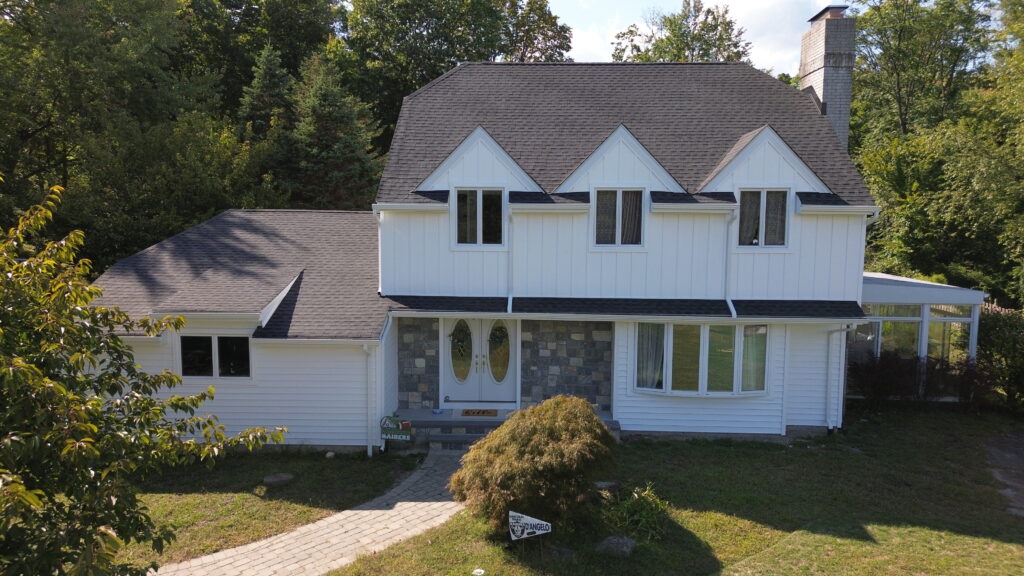
If you want a professional opinion on what your roof is showing, Blue Nail Exteriors can inspect the condition, explain what is normal and what is not, and help you decide on the right next step for your home.