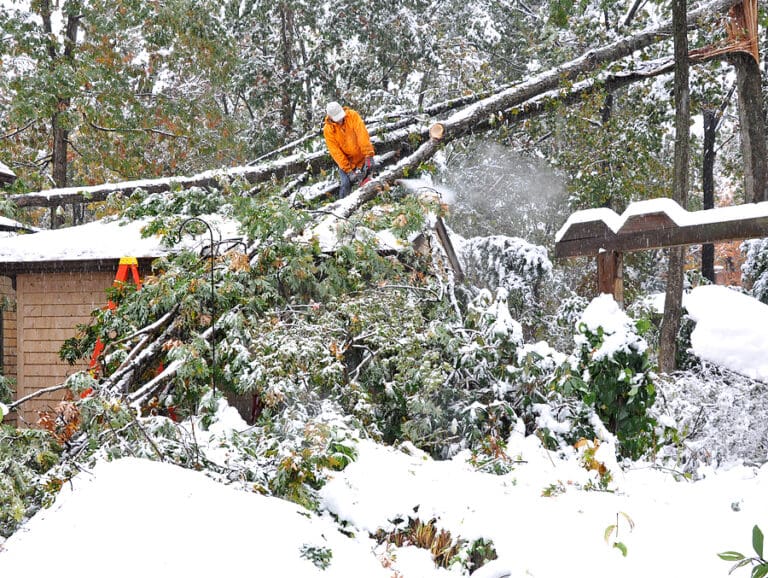


What Winter Weather Can Leave Behind
Winter can be tough on a home’s exterior. Snow accumulation, freezing temperatures, ice buildup, and strong winds all place stress on roofing and siding systems.
While some damage is obvious during a storm, many issues remain hidden until temperatures rise and snow and ice begin to melt.
As the weather shifts into spring, sunlight and warmer temperatures often reveal problems that were difficult to detect during the colder months. That’s why many homeowners schedule a spring roof tune-up to evaluate how their home held up through the winter season.
A professional inspection at this time can help identify minor issues before they become larger repairs later in the year.
How Winter Storms Affect Roofs
During the winter months, roofing systems experience repeated cycles of freezing and thawing. Snow melts during the day, then refreezes overnight as temperatures drop.
This cycle can slowly work its way into vulnerable areas of the roof. Especially for roofs older than 15 years.
Common winter-related roof issues include:
- lifted or loosened shingles
- damaged flashing around chimneys or vents
- clogged or stressed gutters
- moisture buildup beneath shingles
- ice dam formation along roof edges
Because these issues often occur beneath snow or ice, they may not become visible until spring arrives.
Siding Can Also Experience Winter Stress
While roofing systems typically take the brunt of winter storms, siding can also experience seasonal wear.
Wind-driven snow, freezing temperatures, and moisture exposure can affect siding panels and exterior trim. Once temperatures rise, homeowners may begin to notice issues that were previously hidden.
These can include:
- loose siding panels
- small cracks or separation
- moisture intrusion points
- damage from wind or debris
A spring exterior inspection allows homeowners to review both roofing and siding components at the same time.
What a Spring Roof Tune-Up Typically Includes
A spring tune-up focuses on identifying areas of concern before they lead to larger problems.
During an inspection, professionals typically review several key components of the roof system:
- shingle condition and placement
- flashing around chimneys, skylights, and vents
- gutter performance and drainage
- signs of trapped moisture or water intrusion
- ventilation and airflow in the attic
The goal is not just to identify visible damage, but also to detect subtle signs that winter conditions may have affected the roofing system.
Catching these issues early often allows homeowners to address them before the next major weather season arrives.
Why Early Detection Is Important
Small roofing issues can often go unnoticed until they create visible leaks or interior damage. A shingle that shifted slightly during a winter storm may not appear serious at first, but over time it can allow water to penetrate the roofing system.
By identifying these problems in spring, homeowners can make targeted repairs that help extend the life of their roof.
This proactive approach helps avoid more extensive repairs later and keeps the roofing system performing as intended.
What This Means for Your Home
If your home experienced heavy snow, ice buildup, or strong winter storms this season, a spring roof tune-up can provide peace of mind.
Warmer temperatures make it easier to safely inspect roofing and siding systems and identify issues that were hidden during the winter months.
Addressing potential concerns early helps protect your home and ensures your exterior is ready for the seasons ahead.
If you’d like to schedule a spring roof inspection or tune-up, our team is here to help guide you through the next steps. Let’s talk today.