

As we begin to see the snowdrops creep up from the ground, we know winter is on its way out and spring is starting to settle in. After months of snow, ice, and freezing temperatures, this is the perfect time to think about spring roof preparation.
During the winter months, your roof faces a lot. Snow piles up. Ice forms. Temperatures swing from below freezing to mild and back again. In North Jersey especially, those repeated freeze and thaw cycles are one of the most common causes of early roof wear. Even if everything looks fine from the ground, your roof may have sustained small shifts or minor damage that is not immediately obvious.
Along with the twice-a-year inspection we recommend, taking time for spring roof preparation helps protect your home and prevent small concerns from turning into expensive repairs later on. A roof rarely fails all at once. Most problems start small and grow quietly over time.
Basic Checks and Inspections
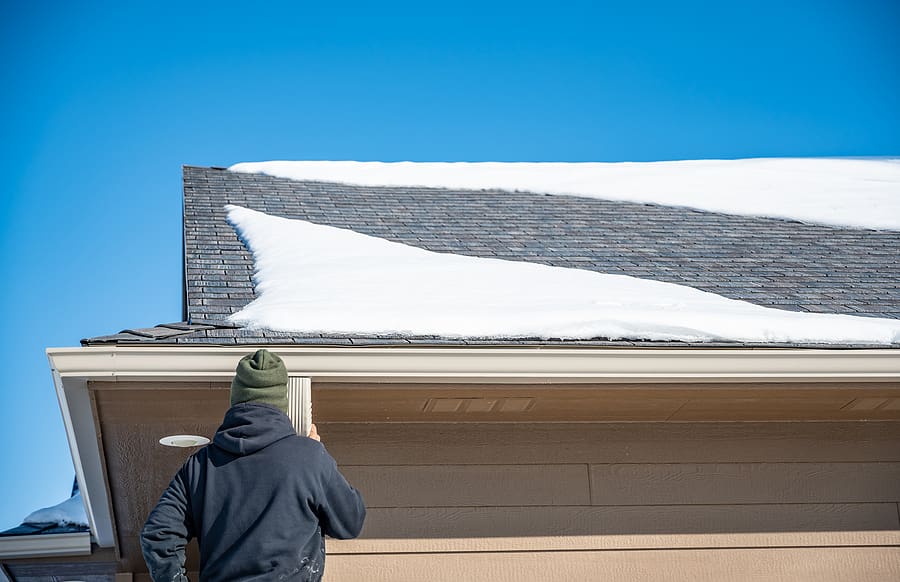
One of the first things you can do as a homeowner during spring roof preparation is perform a simple visual check. These are items you can safely look for from the ground to get a general sense of how your roof handled the winter.
Check Flashings
Flashings around your chimney, valleys, and vents should be secure and sitting flat. If you notice bending, lifting, or gaps, that can allow moisture to work its way into your roofing system. Flashing is one of the most common starting points for leaks, especially after a long winter. We often meet homeowners in early spring who had no idea a small section of loose flashing allowed water to slowly enter the attic during the last snow melt.
Missing or Damaged Shingles
Your shingles should lie flat against the slope and contour of the roof. Cracked, curling, peeling, or missing shingles can leave your roof exposed. You may also notice granules collecting in your gutters. That sandy buildup is often a sign that shingles have started to wear down after months of snow and ice exposure.
Granules do more than add texture. They protect shingles from ultraviolet rays. When too many are lost, the underlying asphalt begins to age faster, which can shorten the lifespan of your roof.
Gutter Declutter
A clean and properly functioning gutter system is an important part of spring roof preparation. As snow melts and spring rains arrive, your gutters need to direct water safely away from your home. Make sure they are clear of debris, securely attached, and draining properly.
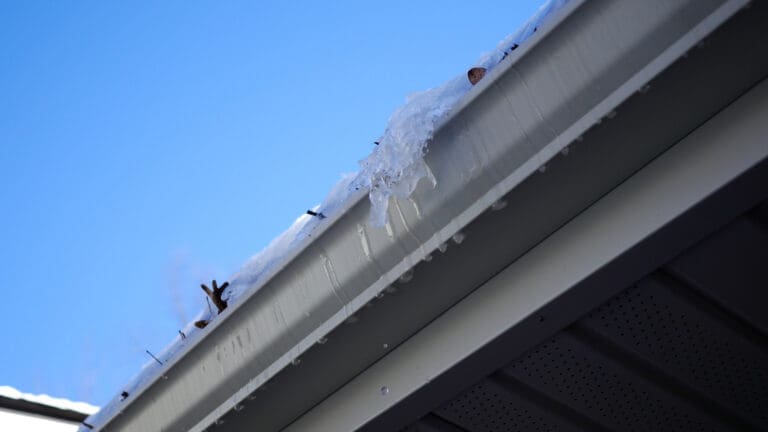
When gutters clog, water backs up along the roof edge. In winter, that backup can contribute to ice dam formation. Ice dams form when heat escapes from the attic, melts snow on the roof, and that water refreezes at the colder edge. Over time, that trapped ice can force water beneath shingles. Spring is the time to make sure that process does not repeat next winter.
Attic Check
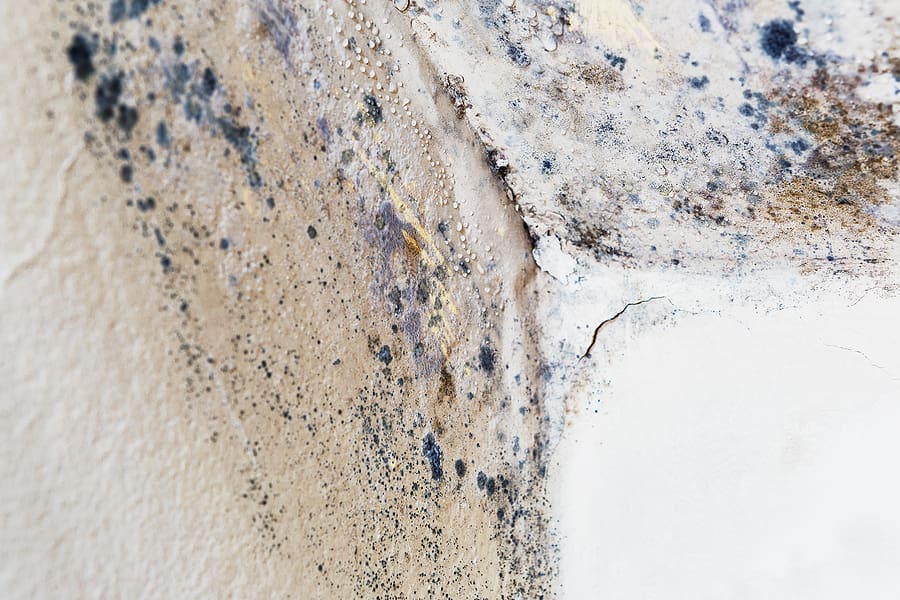
Your attic can tell you a lot about what is happening above. Look for signs of water stains, moisture, mold, or mildew. Make sure insulation is intact and that no daylight is visible through the roof boards.
Proper ventilation plays a bigger role than many homeowners realize. When warm air becomes trapped in the attic during winter, it contributes to uneven roof temperatures and ice dam formation. In spring roof preparation, we often look at ventilation patterns to help homeowners prevent future winter issues before they start.
Professional Inspection and Maintenance
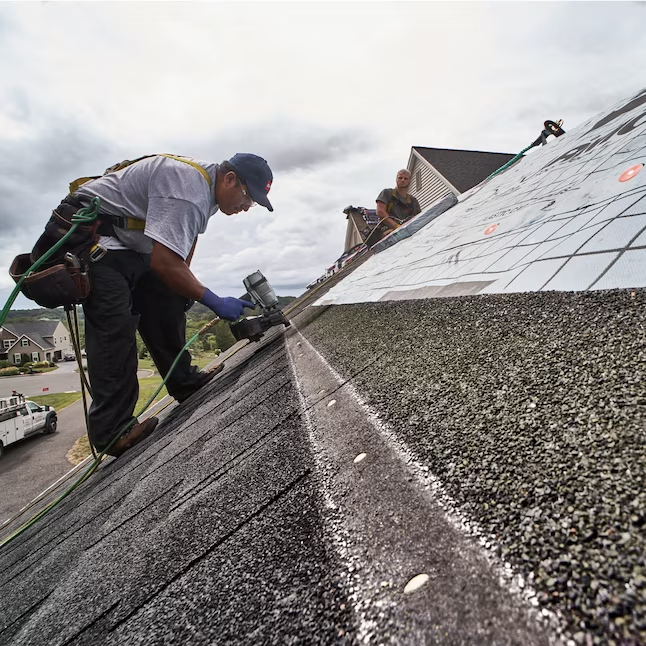
While homeowner checks are helpful, spring roof preparation should also include a professional inspection. We recommend scheduling an inspection at least twice a year, once before winter and once in the spring.
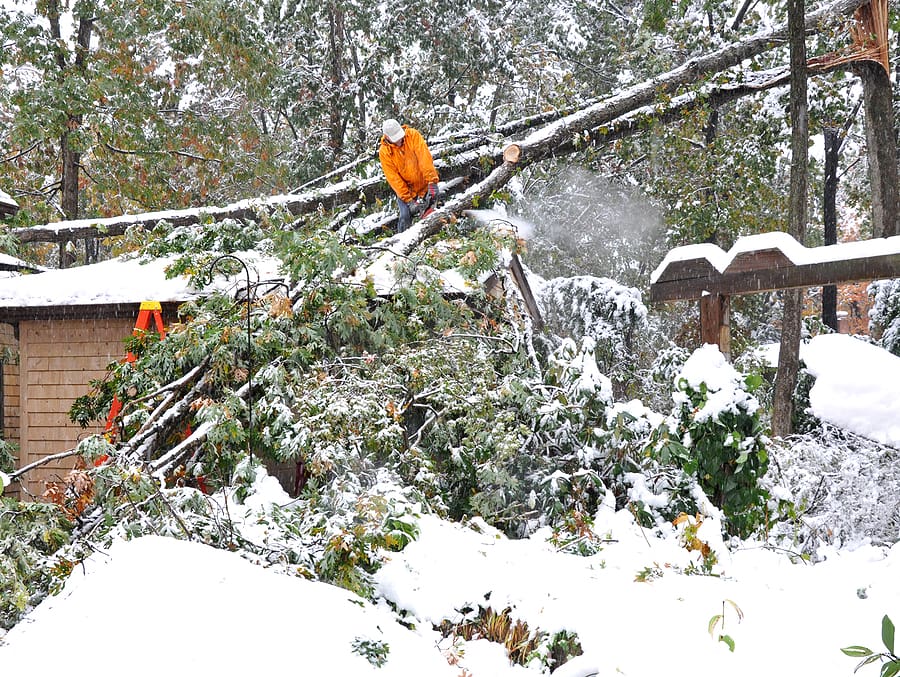
Winter damage is not always easy to spot. Freeze and thaw cycles allow water to expand and contract beneath shingles. Heavy snow can add weight and stress to the structure. Wind driven debris may cause impact damage that is difficult to see from the ground. Over time, moisture can also weaken metal flashings and fasteners.
Each spring, we inspect roofs that look perfectly fine from the driveway but reveal small areas of concern once we take a closer look. Catching those early makes all the difference. Addressing a minor issue now is always easier and more affordable than repairing interior water damage later.
For many homeowners, spring roof preparation is simply about peace of mind. Even if everything checks out, knowing your roof is in good condition allows you to move into the warmer months confidently.
Spring can feel like a fresh start. Your roof has done its job all winter long. Now it is time to make sure it is ready for the next season.
Taking the time for spring roof preparation helps protect your home, your investment, and your family. Small preventative steps today can extend the life of your roofing system and reduce unexpected repairs down the road.
At Blue Nail, we understand what New Jersey weather can do to a roof because we see it every year. Our team lives and works in this community, and we take pride in helping homeowners stay ahead of potential problems. We focus on honest assessments and clear communication so you can make informed decisions about your home without pressure.
If you would like reassurance that your roof made it through the winter in good shape, our team is here to help.