
 973-937-8876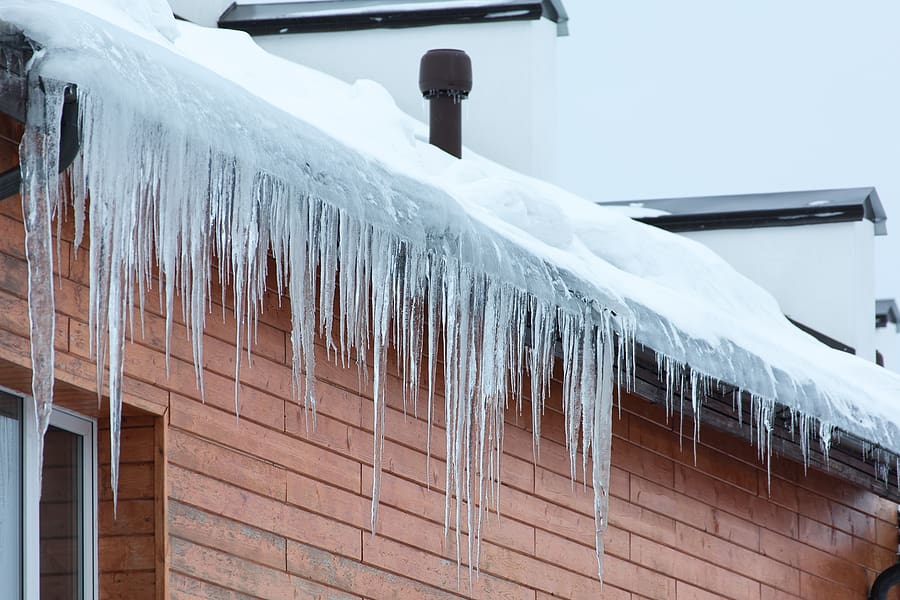
New Jersey winters are nothing to laugh at. Deep snowfall, below freezing temperatures, high winds, and all of this lasting from around late October to mid-April. When push comes to shove, you want to spend the frosty season nice and warm inside. The best way to do that is to get in gear and make sure your home is winterized before the first flake of snow falls. While there are some items that are best left to a professional, others can be accomplished by the average homeowner.
Roofing
As always, get a free roofing inspection before anything else. That will let you know if there are any current issues with your roof that you can address before the cold hits. If possible, look at replacing or improving your attic insulation to help maintain stable temperatures. Next, take some time for a little yard work and trim up any tree limbs that could result in a windy winter collision. Lastly, get a quality roof scraper to help you remove heavy snowfall that could result in ice dams. These small steps can go a long way towards protecting your roof.
Siding
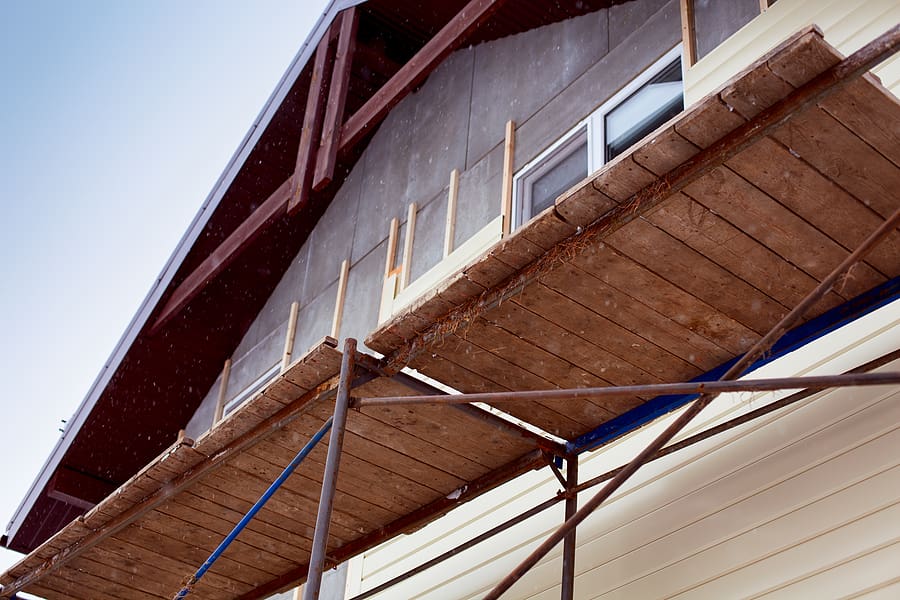
While you can replace siding in the winter, it would be easier to identify and replace or repair any damaged siding before that happens. Afterwards, be sure to give your siding a good wash and scrub. Removing the grime and grit can help mitigate decomposition that is worsened by harsh winter weather. This can be time-consuming, but it is worth the extra effort. If you notice snow and ice build-up, especially at the base, remove as much of the snow as you can to prevent it from accumulating and seeping in. A plastic scraper or even a soft broom can be used to remove ice.
Gutters
Overflowing gutters can damage your roof and foundation if you are not careful. Look for any sign of wear and tar along your gutters and downspout. Cracks, warping, breaks, and bends mean the gutter is not functioning properly and can’t lead water away from your home. Loose or rusted fastenings mean an unsecured gutter that is likely to cause further damage. Make sure your gutter is cleaned of all debris and given a thorough cleanse. If you can, have a gutter guard installed to help prevent new buildup.
Windows
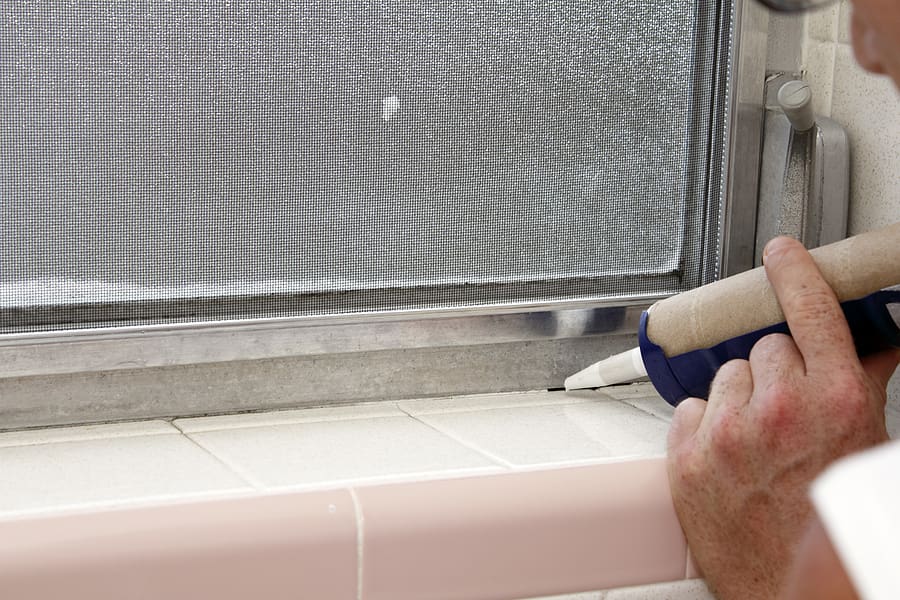
Windows can be responsible for a lot of temperature control troubles if they are not up to the challenge of winter. It can be a bit of an investment, but when bad weather comes around, storm windows offer additional protection and insulation. If that isn’t possible, add weatherstripping to create an extra barrier against the cold air. If you find chipped and deteriorated caulking around the windows, clear out the crumbled area and replace it with fresh caulk to seal up any holes. Not only will this help keep out moisture, but it can also help reduce your heating bills!
You can’t predict every accident that’s going to happen, but an ounce of prevention is worth a pound of cure. By taking these steps to protect and winterize your home, you help mitigate potential damage and help keep your family safe this holiday season. Blue Nails Exterior is here to help with everything else.